Plant it in autumn: easy to grow and easy to keep alive, and its flowers can be enjoyed from spring all the way to autumn.
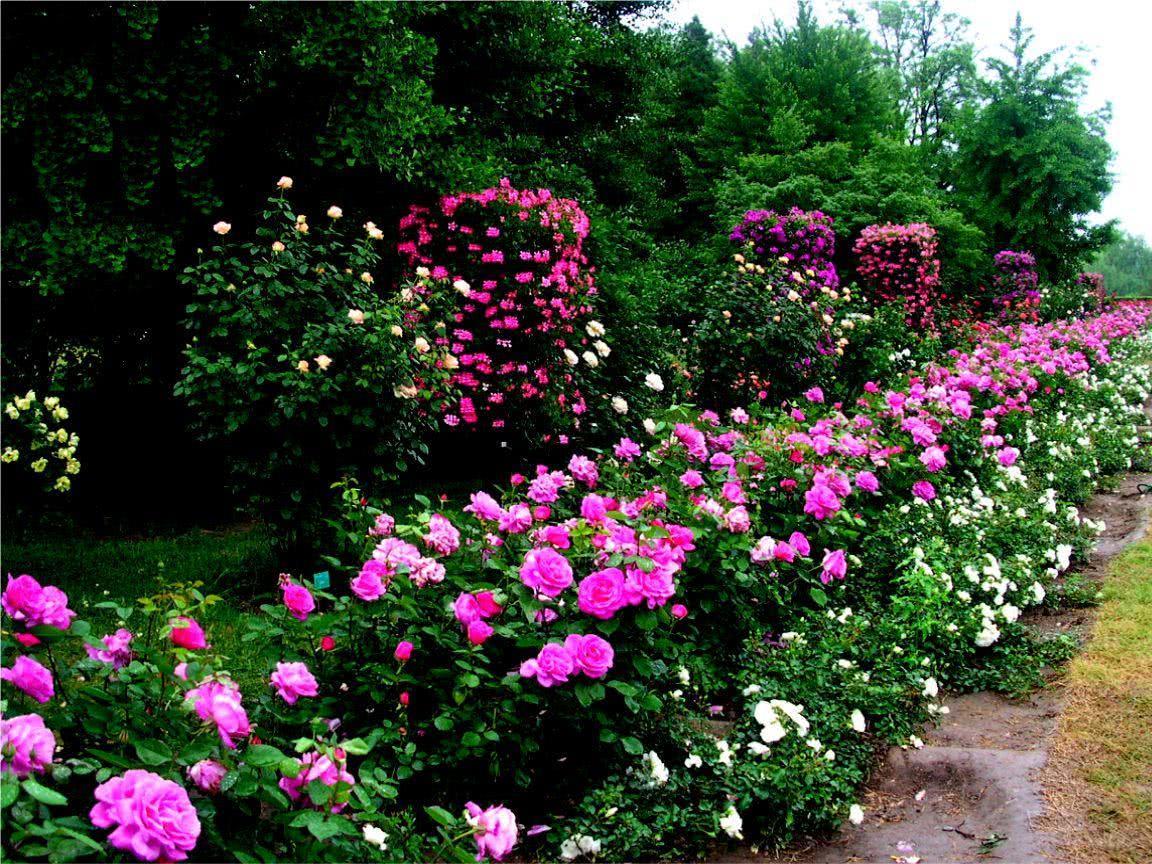
Once autumn arrives, plant "it": easy to grow and easy to keep alive, and its flowers can be enjoyed from spring all the way to autumn! // Want roses to "bloom nonstop"? Do these few things well, and anyone can become a big-time flower grower.
Roses are a common plant and flower for everyone. Many people plant roses in the courtyards of their homes; when they bloom, they are not only beautiful but also leave a lingering fragrance.
People often say roses have the titles of "king of flowers" and "blooming machine," and that is because roses produce a large number of flowers and also have a long flowering period. Autumn is almost here, and many people are preparing to do cuttings. Today Huahua wants to recommend roses to everyone. Roses are relatively easy to keep alive, and after the cuttings are done, with good care, roses can bloom for a very, very long time! So if you want to grow roses, how exactly should you grow them, and what aspects should you pay attention to? Let Huahua tell everyone about it!
Soil
When choosing soil, do not use a single type of soil, such as ordinary soil. You can choose to mix in a little organic fertilizer. Decomposed organic fertilizer can provide roses with certain nutrients and let roses grow more healthily. In terms of ratio, ordinary soil should make up more than half, and organic fertilizer should also be at about 40 percent or more for the best result. This ratio can better retain water and fertilizer for the plant in the future, with many benefits. In addition, the soil chosen must ensure looseness and air permeability.
Watering
When watering, follow the principle of not watering until the potting soil turns white. Because for roses, their ability to resist waterlogging is far weaker than their ability to resist drought, so in daily care we must remember not to water the flowers too much. Once a month, you can give the flowers one thorough watering. For regular watering, you can basically use a spray bottle to sprinkle water, and the speed can be slowed down a bit; there is no need to go too fast. This can ensure that the rose's soil can fully absorb water.
Fertilizing
When choosing base fertilizer, choose 10 percent to 15 percent chicken manure organic fertilizer, and also add plant ash, high-nitrogen fertilizer, and high-potassium fertilizer to ensure the roses have sufficient nutrition. Each year you can choose 1-2 times to supplement the base fertilizer. Also note here that seedlings must not be given heavy fertilizer. Seedlings are too small and are not suitable for supplementing overly strong nutrients, so it is best not to apply overly concentrated fertilizer to seedlings.
Pest and disease control
Pest and disease control focuses on prevention. Usually, spray the flowers with medicine every 2-3 weeks, and also alternate different medicines for spraying to prevent pests and diseases from developing resistance and making the medicine lose its insect-killing function.
Light
Roses are light-loving plants, so their light duration must be fully guaranteed, with at least 6 hours of light every day. If the time is too short, it will affect the number and color of rose blooms, so light is very important.
Basically, growing roses requires paying attention to these points. Huahua also wants to remind beginners that just reading this one article from Huahua is not enough to grow roses well. In daily life, you must learn more other growing experience; only with a certain amount of knowledge in reserve can you make growing flowers twice as effective with half the effort.