Grow it at home in summer: the hotter the temperature, the faster it grows, and you won't be able to eat it all in a year
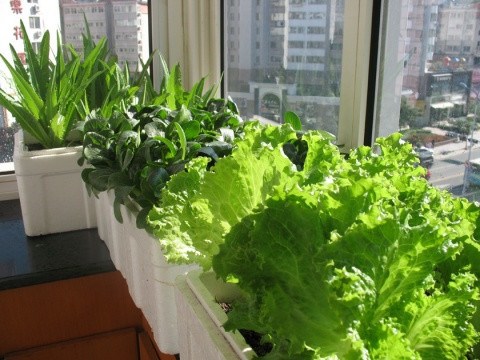
Nowadays, because of food safety issues outside, many gardening enthusiasts choose to grow some fruits and vegetables on their own balconies. This way, not only is safety guaranteed, but cooking and such also becomes much more convenient. However, today Huahua wants to recommend a vegetable that is easier to care for the "hotter" the temperature, and its nutritional value is also very high.
Basil is a plant that can be both eaten and used medicinally. It is generally more common in Western cuisine; for things like steak, basil leaves are chosen for seasoning. Its flavor is somewhat similar to fennel, so it can also be used as a seasoning when we cook everyday dishes or make soup.
The planting method for basil leaves is also very simple; generally, the same sowing method as for other vegetables is used. When sowing basil, a temperature of about 20 degrees is more suitable. It is best to leave a certain distance between each plant, so that there is not insufficient light and the growth is not poor.
Basil's growth adaptability is extremely strong, so it can grow very well without spending much effort on care. For the planting soil, it is best to choose one with relatively good drainage, so that later there is no need to worry too much about watering.
Basil's root system is relatively developed, so when choosing a planting container, try to choose some larger or longer flower pots. First put the prepared soil into the container, then sow the seeds, and after sowing is complete, cover with about 1 cm of soil. If conditions allow, you can also cover with a layer of plastic film, which can keep warmth and moisture.
After sowing is complete, the daily care of basil is also indispensable. First, basil is a plant that relatively likes light, so it is best to place it in a place where it can get light to grow; this way it will also be healthier and grow much faster. But remember that in summer it is best not to let it suffer direct sunlight, as this may cause the leaves to turn yellow and dry out.
When basil is just sown, its water requirement is not particularly large. After it gradually grows, the amount of watering should be adjusted appropriately, because the growth period requires more nutrients. It is best to keep the frequency at watering once a day; this way, the leaves of mature basil will be relatively plump and fresh.
Basil can not only be propagated by sowing. When basil's branches mature, cut off one branch, throw it into water, and in about ten days or so you can see the small fibrous roots it produces. This method is relatively convenient and quick, but the yield should not be much.
Growing such a basil plant at home, you can get a full harvest without spending much thought. Whether basil is made into basil sauce or used as a seasoning sauce when making pasta, it is a good choice. Huahua is even drooling just talking about it. Gardening enthusiasts, hurry home and plant one to enjoy the deliciousness!