Potted soil compaction is a big hidden danger; these tricks help you deal with it perfectly
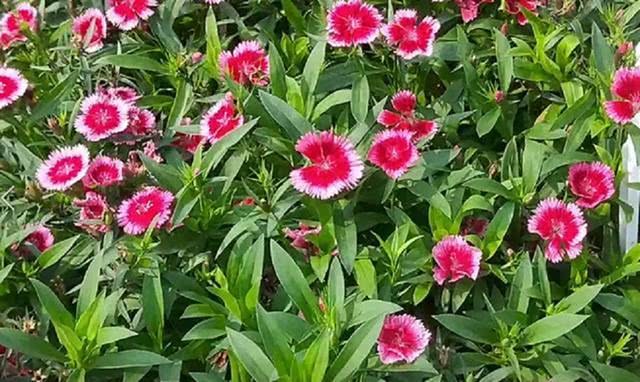
Many friends who grow potted plants at home will encounter the problem of soil compaction, and if they do not pay attention to it, it is very likely to cause the plant roots to be unable to normally take in water, leading to a lack of nutrients, with the plant wilting and turning yellow in mild cases, and directly causing the death of the potted plants we worked so hard to grow in severe cases. In the past, when dealing with compaction, we would directly use the method of repotting. Although the effect is remarkable, it is time-consuming and laborious.
So are there any aspects or clever tricks that can let us deal with the compaction problem without moving the soil? Below, I will summarize the experience summed up by flower-growing experts over the past few years, so that if you encounter this kind of problem, you can have a solution.
To deal with soil compaction, first we need to know which factors easily cause this phenomenon. Generally speaking, the causes of soil compaction can be summarized into 4 points: a single component in the soil mix, neglect of loosening the soil, heavy use of chemical fertilizers, and random watering. The first two factors belong to soil problems and require us to pay special attention from the very beginning of cultivation.
The latter two points mainly focus on some misunderstandings during the planting process. Promptly changing those old, bad habits can still solve them very well, so in fact, compaction of potting soil is very easy to deal with. If you encounter this phenomenon, the first thing to do is not to panic, and then choose the appropriate method according to the specific situation.
So what should be done when compaction occurs? Here we introduce two methods:
First, as mentioned in the causes above, an important cause of soil compaction is a single component in the soil mix, so what we need to do is change the composition of the soil to increase its drainage and air permeability. The material selected is the large-particle sand and gravel we often mention.
First find a few thick straws (the ones used for drinking pearl milk tea normally will do) or wooden sticks, insert these into the soil to form small holes one by one, then pour the prepared large-particle coarse sand into them. In this way, the flowerpot will form multiple sand columns. When watering again, the water poured on the surface can seep through these sand columns into the lower soil to moisten the plant roots. This method is called the sand column method. It is simple and easy to learn, and the materials are also easy to obtain.
The second method is to apply dry fertilizer to the soil surface. You can choose bean cake or peanut cake, crush it into powder, then loosen the surface of the potting soil, and after that you can sprinkle a thin layer of this powder. After spreading the fertilizer, you can water thoroughly!
This has two benefits. First, under the moisture, this thin layer of fertilizer on the potting soil surface will slowly ferment, and in about a month it will form new organic matter, thereby making the compacted soil soft again. Second, the fertilizer that seeps into the soil through the soil surface can also moisten the roots, thereby providing nutrients for plant growth. Of course, after all, this is a way of fertilizing. If your plant does not like fertilizer or the environment it is in is hotter and drier, then we do not recommend using this method often!
As for how to prevent soil compaction, planting enthusiasts can do the opposite according to the causes of compaction introduced in the second paragraph and try their best to avoid them! I believe that if you treat them carefully, you will certainly be able to avoid these problems!