Rose Turns Into a Yellow-Faced Old Hag? Maybe You're Loving It the Wrong Way
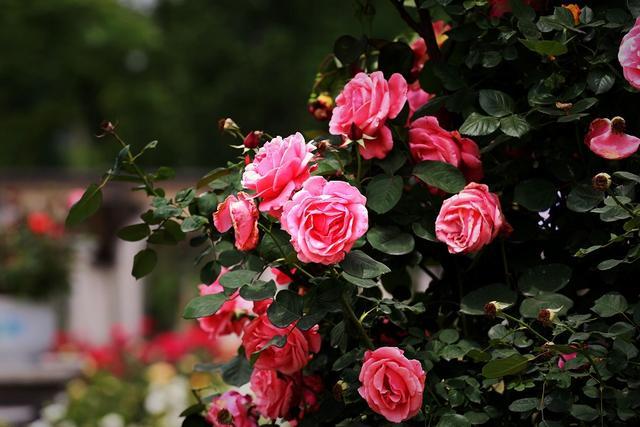
Roses are endearing in many ways, and of course, if you had to pick the most outstanding one, many people would still cast their vote for its "looks"! Indeed, rose flowers are extremely beautiful, and within this beauty, besides the delicate and charming blooms, the emerald green leaves are also an important component. It's just that compared to the flowers, we take far less care of the leaves, and the leaves are indeed somewhat fragile. For example, the leaf wilting and yellowing we're introducing today is a major killer of their looks. So what are the causes of this phenomenon, and how should we deal with it? Today's article gives you the answers!
The Reason Your Rose Turns Into a "Yellow-Faced Old Hag" Is Actually...
Many gardening enthusiasts, upon seeing yellow leaves on their roses, will first think it's because they haven't watered enough. Actually, this isn't the whole picture. There are many reasons that cause rose leaves to yellow and wilt. Besides lack of water, damage during repotting and pruning, unreasonable fertilizer amounts, and lack of oxygen at the roots are all reasons that turn it into a "yellow-faced old hag."
Take root oxygen deprivation for example. If you haven't changed the soil for your rose for a long time, the potting soil may very likely become muddy. This kind of soil has extremely poor air permeability. Especially after watering, the potting soil will be in a moist state, and when combined with high temperatures, it can easily cause root suffocation, meaning the plant's roots can't breathe properly and nutrients can't be transferred normally, so the leaves will naturally show yellowing.
Now let's look at the impact of repotting and pruning. This is easy to understand. After repotting, the rose leaves its original living environment and needs to adapt to a new place, and the roots also need time to establish themselves. During this period, the roots are relatively fragile, and transpiration can't proceed normally either. The leaf's own circulation is affected, so naturally it can't display a perfect state.
Don't Panic, These Few Tricks Will Help It Regain Its Good Looks!
First, if it's because the potting soil isn't breathable, you can try moving the rose pot to a cool, ventilated place and let natural air circulation dry out the excess water. Then, apply general fertilizer by slowly pouring liquid fertilizer along the pot wall onto the soil to increase its organic matter. After about a week, the soil can be effectively improved and the muddy condition reduced. This way, the rose will gradually recover too!
Second, if the yellow leaves appeared due to repotting, there's even less to worry about. Just continue letting the rose get sunlight, water less, and try to keep the potting soil slightly on the dry side. Although transpiration is stronger than the roots' water supply, overall it's still weakened. After weakening, water consumption naturally decreases. If you water too much, it's more likely to cause root rot.
That's our introduction to the methods for fixing yellow leaves on roses. If your rose at home is also experiencing this problem, then don't hesitate - give it a try right away!