Master these three tricks for growing orchids and every pot on your balcony will burst into bloom, turning it into a garden
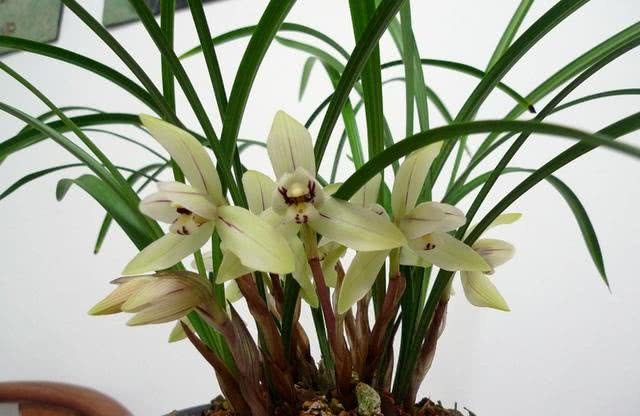
Many people love growing orchids, hoping that through their own efforts they can make their orchids stand tall and graceful with blossoms everywhere. But reality is often not so rosy, because "loving to grow them" and "being able to grow them well" are two different things, and the key difference lies in attention to detail. I myself once threw myself into growing orchids with great enthusiasm, only to have a gardener friend describe them as "rather oddly shaped chives." Later, after careful study, I realized there were 3 areas that could be improved. So today I will sum up these three points. If your orchids are not blooming beautifully either, then perhaps one of these reasons is to blame.
Don't overlook the growing environment
Many friends, faced with their own low-appeal potted orchids, always find this question popping into their heads: "But I grew them exactly according to the guide, and the fertilizer and water were completely fine!" If that's the case, then the problem may lie in the environment around the pot. You see, a plant's growing environment includes sunlight, temperature, humidity and other factors. If one or several of these are unsuitable for orchid growth, then trying to force a change of fate through sheer effort later is doubly difficult. Based on their habits,
The most suitable environment for growing orchids should be a temperature of around 25 degrees Celsius and air humidity kept at around 30%, with diffused light being best. This point is crucial, because people growing orchids easily fall into two mistaken approaches: one is fearing the sun and placing them directly in a spot with poor light, and the other is sunbathing them, putting orchids under the sun to bake every day. Neither is correct. The best approach is 6 hours of sunlight a day, ideally in the evening hours. If conditions don't allow it, you can leave them out on the balcony, but be sure to set up a shade canopy.
Be careful with watering
This is an old chestnut of a topic, but it is also the most easily overlooked problem! In fact, aside from the principle of avoiding waterlogging from standing water in the pot, there is quite a bit of know-how to watering. For example, the best time to water should be in the evening. On one hand, the temperature is a bit lower than during the day and the sunlight is not as intense, so watering at this time reduces evaporation and also avoids scorching the leaves from harsh sun. On the other hand, the whole night also helps the roots absorb water, giving a better effect.
At the same time, we all know watering should follow the principle of "water when dry, stop when wet," but how do you judge whether the potting soil is dry or wet? Many people stick a toothpick or wooden chopstick into the soil to check, but this method is not necessarily accurate. If you must do it, then push it in deeper so you can understand the conditions in the deeper layers of soil.
Of course, you can also judge whether the plant lacks water by observing the state of its leaves. When there is no strong light exposure and no over-fertilizing, if the leaves are still wilting and yellowing and the surface of the potting soil shows signs of whitening, then it means the roots lack water, and a single thorough watering will do.
Never be careless with fertilizing
Whether the flowers bloom well or not, fertilizer supplementation is key. Using different fertilizers at different growth stages is something we have all come to agree on. For example, during the spring leaf-growing period, the amount of nitrogen fertilizer used should be increased, while when the orchid reaches its flowering period, the two elements phosphorus and potassium should be supplemented in time. In addition, the amount of fertilizer needed also varies by season, and I believe everyone is quite clear on this point.
Finally, we recommend using homemade organic fertilizer or directly buying a brand-name orchid-specific nutrient solution. Never buy inferior fertilizer just to save a little money, because not only is it harmful to the flowers, it may also affect your own health!