What to do about root rot and yellow leaves on lucky bamboo? One cut makes the leaves greener and the roots longer
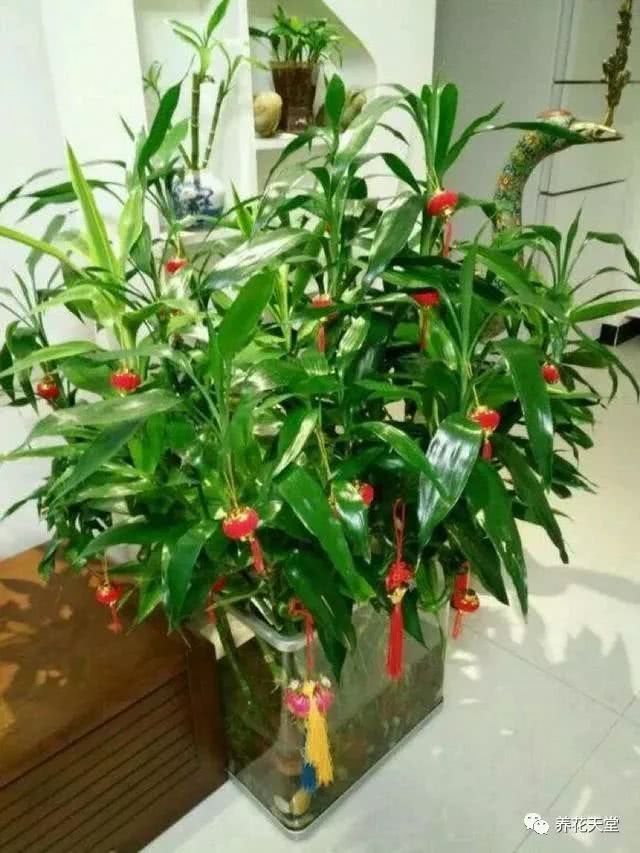
Lucky bamboo (Dracaena sanderiana), as a hydroponic foliage plant, is very prone to root rot in summer. In particular, many gardeners who grow lucky bamboo keep it as a potted plant at home simply because of its good symbolism, but actually have no relevant experience, and may not have looked up how to grow lucky bamboo. If lucky bamboo gets sick, at this point we need to prune it so that the remaining healthy parts can grow normally. So for lucky bamboo with root rot, how should you prune it to save its life?
First we need to check whether the roots of the lucky bamboo have an unpleasant smell and have turned black, and especially if the roots have become soft, then the roots need to be cut off.
It is important to note that after cutting, the roots must not have any rotten remnants, otherwise it will affect the future growth of the lucky bamboo. Do not be afraid that cutting too much will harm the lucky bamboo; the entire root system and stems of lucky bamboo are interconnected, and as long as the part is healthy it can grow roots again.
After cutting, the roots inserted into the vase should have a 45° cut surface, which helps them root better. And after inserting it into the vase again, you should make sure the water in the vase is clean.
When cultivating new roots, you should not only control the water level but also ensure the water quality. Generally, after replanting, the water level should be kept at one third of the vase body; too much will affect the plant's breathability, while too little will affect root formation. You should also change the water once every two days to prevent water pollution from affecting root development, especially in the hotter summer when water easily becomes warm, damp and spoiled, so changing the water in time is very important.
Lucky bamboo that has grown new roots is not only healthy but also has a strong ability to absorb water and oxygen. If you want the leaves to be even more emerald green and the lucky bamboo to grow faster, proper fertilizing is also a good choice.
This is the method for caring for lucky bamboo introduced for everyone. In fact, lucky bamboo is very easy to grow, and as a hydroponic plant it is very suitable for placing at home. It is not only ornamental but also has a certain feng shui effect. When lucky bamboo shows the above conditions, you can handle it yourself, and in this way good fortune will remain for a long time.
Lucky bamboo (Dracaena sanderiana) is a very good foliage plant. It is not only as easy to grow as the money tree (Pachira aquatica) and the peace tree (Spathiphyllum), but also has very good symbolism. Gardeners who like it can grow one hydroponically.
Thank you for reading. If you find the article useful, please like and share it