The 8-character mantra for growing orchids: summarized by Nature-Loving Farmer, easy for anyone to understand
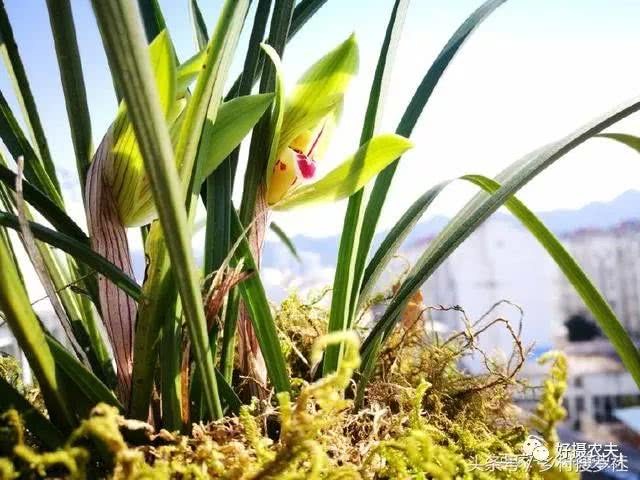
Orchids are gradually entering countless homes, and in the process of growing orchids, everyone has experienced both failure and success. There is also an overwhelming amount of knowledge about growing orchids online, which makes new orchid growers even more confused. What exactly is the practical technique for growing orchids?
See the essence through things. Nature-Loving Farmer likes to be close to nature. It can be said that all of Nature-Loving Farmer's knowledge about growing orchids comes from nature, from the mountains and wilds. After several years of observing wild orchids and drawing on some of his own experience growing orchids, Nature-Loving Farmer summed up an 8-character mantra for growing orchids to share with friends.
Nature-Loving Farmer's 8-character mantra is very simple: sun in spring, shade in summer, dry in autumn, cover in winter. These 8 characters are not said off the cuff, but are a summary based on some of the growth characteristics of wild orchids.
In spring, where orchids grow, the new leaves in the woods have not yet sprouted, and the orchids are in a sunlit environment, while orchids in the sun have a better and longer-lasting fragrance. So based on what wild orchids prefer, Nature-Loving Farmer thinks that orchids in spring should get more sun.
Shade in summer. In summer, the leaves in the woods block the sky, and the orchids are cooling off under the tree shade. The environment is humid with gentle breezes, and this kind of environment is most suitable for orchid growth. Therefore, when we grow orchids, we should also refer to the wild environment and build a shady place that orchids like.
Dry in autumn. Nature-Loving Farmer has also told orchid friends before that autumn is the period when orchid flower buds begin to stir, and during this time water should be controlled to promote flower buds. Why can controlling water promote flower buds? Setting aside all those technical terms, just look at natural conditions and you will know. Autumn in orchid-producing areas is mostly clear and crisp with little rain. Every plant in the world has continued to this day under natural selection, so it can be said with certainty that orchids like to be a bit drier in autumn.
Cover in winter. In winter, the broadleaf trees and pine trees in the woods all drop a thick layer of leaves. These leaves cover the orchids and keep the flower buds warm, and after rotting the next year they also become organic fertilizer. Wild orchids are not afraid of cold, and a big reason is this layer of fallen leaves covering them.
Last year, Nature-Loving Farmer made a video in which an orchid pot was wrapped in foam and placed outdoors in ice and snow. The orchid leaves, buds, and roots were all unharmed, while the others without foam covering suffered frost damage to varying degrees.
So Nature-Loving Farmer summarizes the most basic knowledge of growing orchids into 8 characters---sun in spring, shade in summer, dry in autumn, cover in winter. Different opinions are welcome, and please share your valuable experience.