How Do Beginners Choose Potted Plants? Recommendations for Hard-to-Kill Flowers
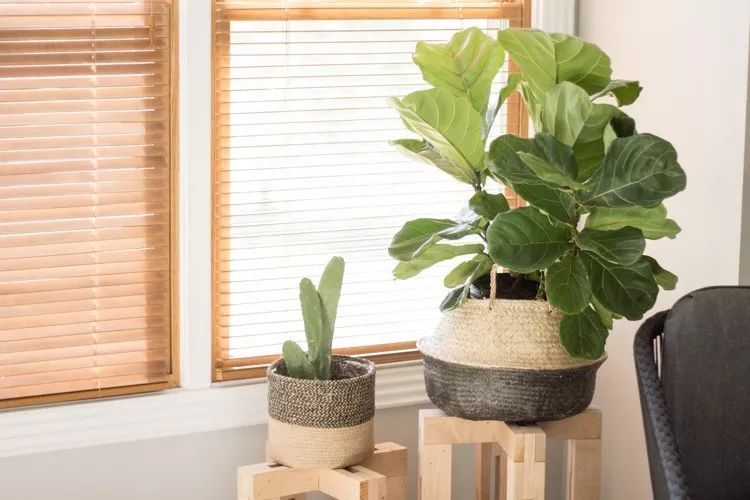
Growing a few indoor plants at home is wonderful. Before cultivating plants, beginners must understand the needs of the plants to ensure that the plants you buy can thrive. If you don't want to spend too much time caring for plants, then these low-maintenance plants are perfect for you. Before buying plants, you should still pay attention to a few things.
Check whether the branches are thin and elongated, and whether there is leggy growth, that is, the gaps between branches and leaves have become larger and the leaves are tender. This is usually caused by insufficient light or too much water.
Check whether the leaves are pale or lack luster. Do not buy plants with patches or spots on the leaves either. If you find white spots, black spots, etc., do not buy them either. Carefully check whether the leaves have dry tips, are yellowing or deformed, and also carefully check whether there are pests on the back of the leaves. Plants showing these conditions should not be purchased.
Do not buy a plant just because you see many aerial roots growing on its branches. It is very likely that the main roots have not grown well, which is why so many aerial roots have appeared.
Of course, do not buy plants with uniquely shaped leaves either. Some plants have crooked leaves, which may be leaf deformity.
If a friend asks me to recommend some plants that are inexpensive, easy to care for, and can survive without frequent attention, then I would recommend plants that are not picky about light and do not need frequent watering and fertilizing.
The most common ones include Aspidistra (cast iron plant), Sansevieria (snake plant), Zamioculcas zamiifolia (ZZ plant), Pachira aquatica (money tree), Crassula ovata (jade plant), Ficus elastica (rubber plant), Areca palm, Philodendron hederaceum (heartleaf philodendron), Aglaonema (Chinese evergreen), and Rohdea japonica (lily of the valley plant), etc.
1. Phalaenopsis
If you like growing flowering plants in a spot with scattered light on a windowsill, then I recommend growing Phalaenopsis. They can be bought at any flower shop. There are many varieties of orchids, and among them Phalaenopsis is very easy to care for. They like scattered light and regular watering. In spring and summer, you can give fertilizer once every 2-3 weeks, so they can keep blooming every year.
2. Clivia
If you like orchid-type plants, then the elegant-looking Clivia is very good. It is also suitable for growing on a windowsill with scattered light. During the growing period, it does not need frequent watering. It has a certain drought tolerance, so you can wait until the soil is completely dry and then water thoroughly. Pay attention to cleaning the leaves regularly, avoid exposure to strong sun or excessive direct sunlight, and keep it warm year-round.
3. Jade Plant
The jade plant is a particularly tough succulent. It can grow into a tree-like form, does not need frequent watering, and has extremely strong drought tolerance. You can grow it on a balcony with more light, or in a bright indoor environment. During the growing period, avoid frequent watering, as too much water can easily cause root rot.
4. Aloe
Aloe is also a plant that is not picky about its environment. If overwatered, it can easily cause yellow leaves and root rot.
When growing aloe, be sure to use loose, well-draining sandy soil. Wait until the soil is completely dry and then water thoroughly. It does not need frequent fertilizing, and the growing location should preferably have appropriate light.
The plants above are all very drought-tolerant and have very low water needs. They can be grown in a spot with appropriate scattered light, or in a bright indoor location. Avoid frequent watering and keep a warm environment year-round, with the minimum care temperature kept above 5°C.