Two essential fertilizers for growing roses, neither can be missing
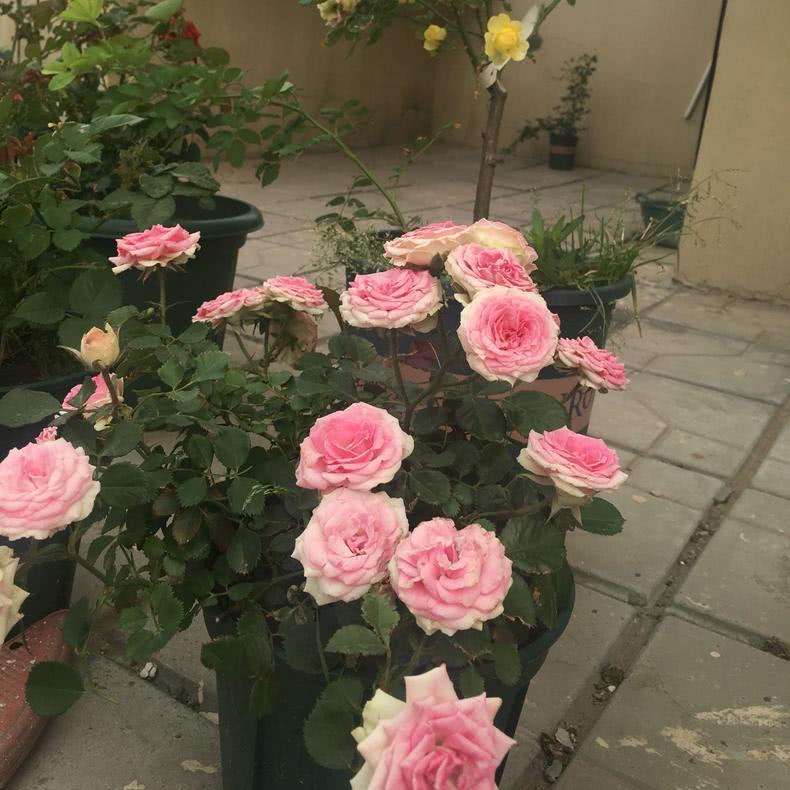
In the process of growing roses, fertilizer is indispensable, and rose fertilizers can often be divided into two types: organic fertilizer and inorganic fertilizer. These two fertilizers have different fertility and different compositions, so their usage is quite different. However, when growing roses, these 2 fertilizers have a "resounding" effect and neither can be missing. Below, let's take a look together.
1. Organic fertilizer
Organic fertilizer is a type of fertilizer made from natural organic matter through microbial decomposition or fermentation. Simply put, it is farmyard manure. It has a wide range of raw material sources and a large quantity, mainly derived from animal manure and plant residues. It has complete nutrients but low content, and its fertilizer effect is slow and lasting. It must be decomposed and transformed by microorganisms before it can be absorbed by plants. Organic fertilizer can produce humus and has a good effect on soil improvement and fertility building.
Commonly used ones include human manure and urine, stable manure, compost, waterlogged compost, biogas fertilizer and waste fertilizer, etc. There are also some pure plant-fermented organic liquid fertilizers, which are convenient to use. Dilute 500 times and water the roots of roses once a week, and the effect is very obvious.
2. Inorganic fertilizer
Inorganic fertilizer is mineral fertilizer, which is what we commonly call chemical fertilizer. It has a simple composition, so it is highly targeted, contains high effective components, has a rapid fertilizer effect, is easily soluble in water, decomposes quickly, and is easily absorbed by the root system, so it is called "quick-acting fertilizer".
It is usually a fertilizer produced by chemical synthesis methods, including nitrogen, phosphorus, potassium, compound fertilizers, etc. It can be scientifically formulated according to different stages and different types of organisms, as well as the soil, so that organisms grow better. Generally, inorganic granular fertilizer can be mixed into rose nutrient soil when repotting and changing soil, and it is not easy to burn the roots.
3. Comparison of the 2 fertilizers
Compared with inorganic fertilizer, organic fertilizer contains fewer nutrients such as nitrogen, phosphorus and potassium that plants need, but its fertilizer effect is mild and it is not easy to burn seedlings. Especially for beginners, organic fertilizer is much safer. In addition, organic fertilizer is rich in minerals and has balanced nutrition, and generally will not cause a single deficiency of the nutrients needed by plants.
There are many types of inorganic fertilizer, and there are different fertilizers for nutrition at various stages. Even compound fertilizers are rarely produced specifically for the growth needs of roses, so random application can easily cause fertilizer damage or nutritional deficiency. Therefore, beginners should just use organic fertilizer obediently.
Compared with inorganic fertilizer, organic fertilizer can increase the content of organic matter in the soil, making the soil much looser, thereby facilitating root respiration and maintaining a lush and flourishing state of the plant. The soil effect of inorganic fertilizer is obvious: when used too much, the soil tends to harden into blocks, and it also affects the nutritional composition of the soil.
When choosing organic fertilizer, you can use animal manure, such as chicken manure, pig manure, cow manure, etc., or plant residues and waterlogged compost, all of which are very good organic fertilizers. But let me remind everyone that the vermicompost and fly maggot manure often mentioned online are not the first choice, because they are organic fertilizers that have undergone secondary biological decomposition, their nutrients have already been greatly reduced, and their fertilizer effect has also weakened. Compared with chicken manure and the like, they are still a bit inferior.
Organic fertilizer and inorganic fertilizer each have their own indications, and we can use them in combination. Use organic fertilizer as the base, choose suitable organic fertilizer for topdressing during special growth periods, maintain the plant's nutrient intake, and occasionally use inorganic fertilizer, while ensuring balanced nutrition for roses.