How to avoid yellow leaves in orchids? Do these 5 things first
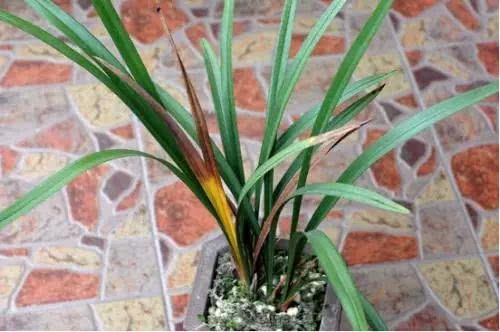
Although orchids are beautiful, they are also considered difficult to grow among household flowers, mainly because they have high requirements for their growing environment. If flower lovers do not fully understand the orchid's growing environment, root rot, yellowing leaves, and stunted growth can easily occur during care. So how can yellow leaves be avoided during orchid care?
1. Watering
Overwatering causes water to accumulate in the pot, and this is a mistake flower lovers easily make. Once water accumulates in the pot, the root system cannot breathe effectively or absorb nutrients to supply the leaves, and at this point the plant will develop yellow leaves. Solution: choose a flower pot with good breathability and drainage, and follow the rule of not watering when the potting soil is dry, and watering thoroughly when you do water.
2. Dry air
Dry air causes orchids to lack water and their leaves to turn yellow. Because they do not receive effective watering for a long time, or because you are often too busy to remember to water the orchids, this can also cause orchids to lack water and thus develop yellow leaves.
3. Fertilizing
Too much fertilizer can also cause orchids to develop yellow leaves. During routine care, apply light fertilizer in small amounts, and do not apply concentrated fertilizer, heavy fertilizer, or unrotted liquid fertilizer. Only with proper fertilizing will orchids grow well.
4. Light
Orchids prefer a semi-shaded environment. In early spring and winter they can receive full sun, while in summer strong light should be avoided because it can cause yellow leaves, and they should be kept in a semi-shaded, well-ventilated environment. If grown indoors, they must not be placed in a spot without light. Note that in summer and autumn the air is relatively dry, so at this time spray water to increase air humidity. You can also take a basin, put water in it, and then place the whole pot of orchids in it, with the water not covering above the bottom of the pot; this can also increase air humidity.
5. Pests and diseases
Sometimes, even with good care, the plant suddenly develops yellow leaves. If this happens, carefully observe the yellowing parts of the leaves to see whether there are insects eating the leaves. If there are, promptly apply the right treatment to kill the pests.