How to grow African violets in pots? A few tricks to get a full pot of blooms all year round
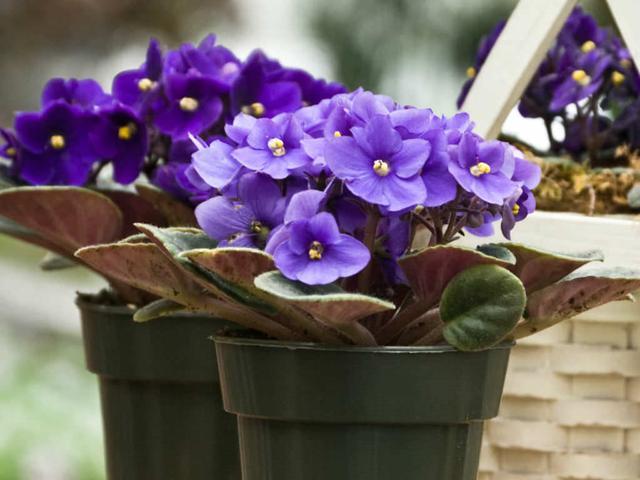
Many gardening enthusiasts hope to grow a plant that fills its pot with blooms, because it gives them a real sense of achievement. Today I bring you a flower called the African violet (Saintpaulia). Its flowers and leaves have high ornamental value, and it enjoys a fine reputation internationally too. If you want to learn the tricks for getting a pot overflowing with African violets, keep reading.
1. Choosing a pot for African violets
When growing African violets, you need to pay close attention when choosing a pot. Whether they are standard violets or mini violets, there is actually little difference between them; their root systems are not well developed, so when choosing a pot you should pick a small one to encourage root growth.
2. Choosing a suitable soil for African violets
African violets like loose, fertile soil that is slightly acidic in pH, so when choosing soil you can use perlite plus vermiculite plus peat moss, mixed in a 2:2:1 ratio.
3. African violets like indirect light and must not be exposed to blazing sun
Light that is too strong can easily damage the leaves of African violets, while light that is too weak will affect their growth. So we can give African violets about 6 hours of sunlight each day, which can also encourage them to bloom.
4. Watering African violets
Before watering African violets, we can lift the pot to test it; if the pot feels light, then it is time to give it water. The water used is best tap water that has been left to stand for a few days. Do not overwater, or it may cause root rot. When watering, you can also drip a few drops of nutrient solution into the soil to encourage blooming.
5. Fertilizing African violets
To fertilize African violets, you should fertilize about once every 10 days. Choose a fertilizer with a fairly balanced mix of trace elements, preferably a liquid fertilizer. Remember to feed lightly and often, otherwise it can easily cause the soil to compact and damage the root system of the African violet. When the African violet starts forming flower buds, we should appropriately increase the amount of phosphorus and potassium fertilizer, which can help the flowers bloom more vividly.
6. Pest and disease control for African violets
When African violets are in a hot, humid environment, they are prone to fusarium wilt, powdery mildew and so on. Once you spot it, you can use a 401 acetic acid solution; remember to dilute it about 1000 times when using it. During the growing period, African violets are also prone to pests such as scale insects and red spider mites; to kill these, we can choose to use omethoate emulsifiable concentrate!
The African violet is a potted plant suited to growing on a balcony. Although it looks rather small and delicate, its flower colors are quite vivid, and it enjoys a fine reputation internationally. If you like it, why not give it a try? Use the few little tricks I have shared, and you are sure to get a pot overflowing with blooms and vivid flowers! If you enjoy my articles, why not hit follow!