Remember 3 principles for growing flowers in autumn, and easily get rid of yellow leaves, root rot and fallen flowers
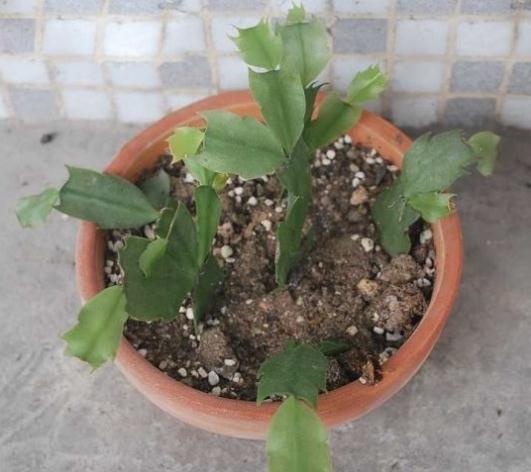
In the last few days, after a round of heavy rain, the weather has gradually turned cooler, and this also means summer is over. At this time, it is also the best peak growing season for potted flowers. No matter what kind of flowers, they always grow vigorously in spring and autumn. But when growing flowers in autumn, you also need to pay attention to a few issues. After all, the growth characteristics of flowers are changeable, especially during the transition between summer and autumn, when growing flowers requires even more care. When growing flowers after the start of autumn, do not ignore the "3" principles mentioned below, and you can easily get rid of the problems of yellow leaves, root rot and fallen flowers. What are the three principles? Keep reading!
The first principle: do not apply "strong fertilizer" to flowers, and do not apply too much "nitrogen fertilizer"
Although autumn is the peak growing season for flowers, when it comes to fertilizing, you still need to pay more attention. After all, once strong fertilizer is applied to the flowerpot, even if the flower stems and leaves need nutrients at this time, they cannot absorb it all. This will not only cause the soil to become compacted, but also burn the plant roots because the fertilizer releases heat. "Apply thin fertilizer frequently" has always been a principle that must be followed when growing flowers. In addition, from August to October, nitrogen fertilizer should not be applied too much. This is because although nitrogen fertilizer can promote green and thick flower leaves, applying too much nitrogen will cause the leaves to grow excessively and affect flowering.
The second principle: if the flower branches are found to be growing excessively, prune them in time
For common flowers such as jasmine, gardenia, Christmas cactus, and kalanchoe, if they are not pruned, the whole potted plant will look very unattractive, and its ornamental value will be greatly reduced. In addition, if some excess branches are not cut off, they will also affect the development of flower buds. When pruning, be sure to use scissors, and do not casually pinch them off with your hands, otherwise improper handling can also cause the branches to die. After pruning, do not place the flowers in the sun immediately. It is best to place them in a cool and ventilated place for 2-3 days and observe whether there are any abnormalities. Do not waste the branches cut off with simple scissors either, as some can be directly used for cuttings. Moreover, autumn is exactly a good time for cuttings. Root one pot and you gain another pot, even saving money on buying flowers.
The third principle: most common flowers need to be "repotted" and have their soil changed once in autumn
The growing space for flowers is all in that small flowerpot. For some vigorously growing flowers, the roots quickly fill the pot. Over time, the root growth space becomes insufficient, and some can even absorb all the soil in the flowerpot. If they are not repotted at this time, it will not only affect the roots and cause yellow leaves, but may even affect flowering. Autumn is a good time to repot and change the soil. At this time, the climate is humid and the temperature is suitable, so the impact of repotting and changing the soil is not great. Common plants such as spider plant, clivia, cymbidium orchids and other orchids, as well as pothos, money tree and so on, all need to be repotted as early as possible, at least once or twice a year.
That is all for sharing knowledge about growing flowers in autumn. Thank you for reading!
Remember to like and share