What to do when flowers and plants get pests? Sprinkle a little of this and they will flourish with lush branches and leaves
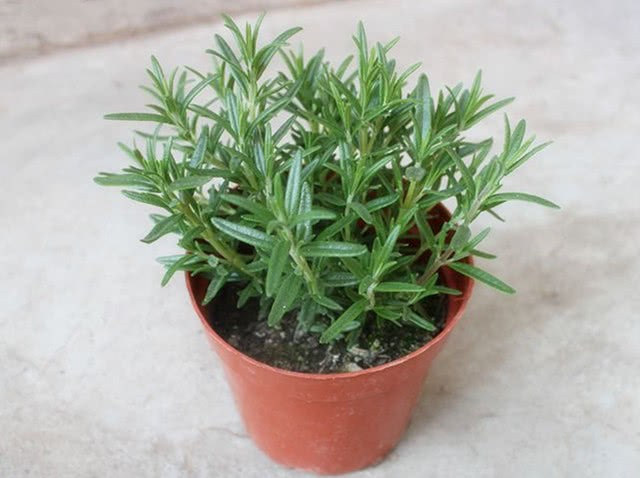
Do flowers and plants get pests at the drop of a hat? Occasionally watering and spraying flowers and plants with vinegar not only makes them grow robustly with fewer diseases, but also makes their flower colors vivid, making them highly favored by customers. The reason may be that edible vinegar contains 1-5% acetic acid, and also contains glyceraldehyde, lactic acid, sugars and inorganic salts, etc. When these substances are sprinkled on the leaf surface of flowers and plants, they can be directly absorbed and utilized, rapidly increasing chlorophyll content and improving photosynthetic efficiency.
The main effects of vinegar on flowers and plants are:
1. Enhancing the disease resistance of flowers and plants
For rose powdery mildew, azalea black spot, and the like, once discovered, spraying three times with a 150-fold vinegar solution can effectively control them. In addition, spraying vinegar also has a certain preventive and therapeutic effect on flower downy mildew, leaf spot, and other diseases.
2. Edible vinegar can promote the growth of flowers and plants
Using a 300-fold vinegar solution to spray the whole plant before camellia buds form, spraying once every 15 days can increase camellia leaves by 0.2-0.4 cm, increase flower quantity by 8%, and increase branching by 20%. At the same time, watering flowers and trees with a 150 to 200-fold edible vinegar solution can overcome physiological diseases caused by alkaline potting soil pH.
3. Key points for spraying edible vinegar
When spraying vinegar on flowers and plants, pay attention to two points: first, the vinegar solution used must be edible vinegar, and chemical industrial vinegar and spoiled, deteriorated edible vinegar must not be used; second, the concentration must be strictly controlled and should not be increased at will, and spraying should be done in the morning or evening.