Orchid rot disease worries orchid growers, 2 prevention tips to grow jade-rooted orchids
When growing orchids, the most feared word is "rot." When an orchid rots, the orchid grower cries. It is something that cannot be helped. When rot disease strikes during care, in many cases the plant cannot be saved. For example, an orchid owner in the forum recently encountered "orchid rot disease," which gave him quite a headache. Let's take a look together.
1. Orchid rot, rot, rot, orchid grower cries, cries, cries
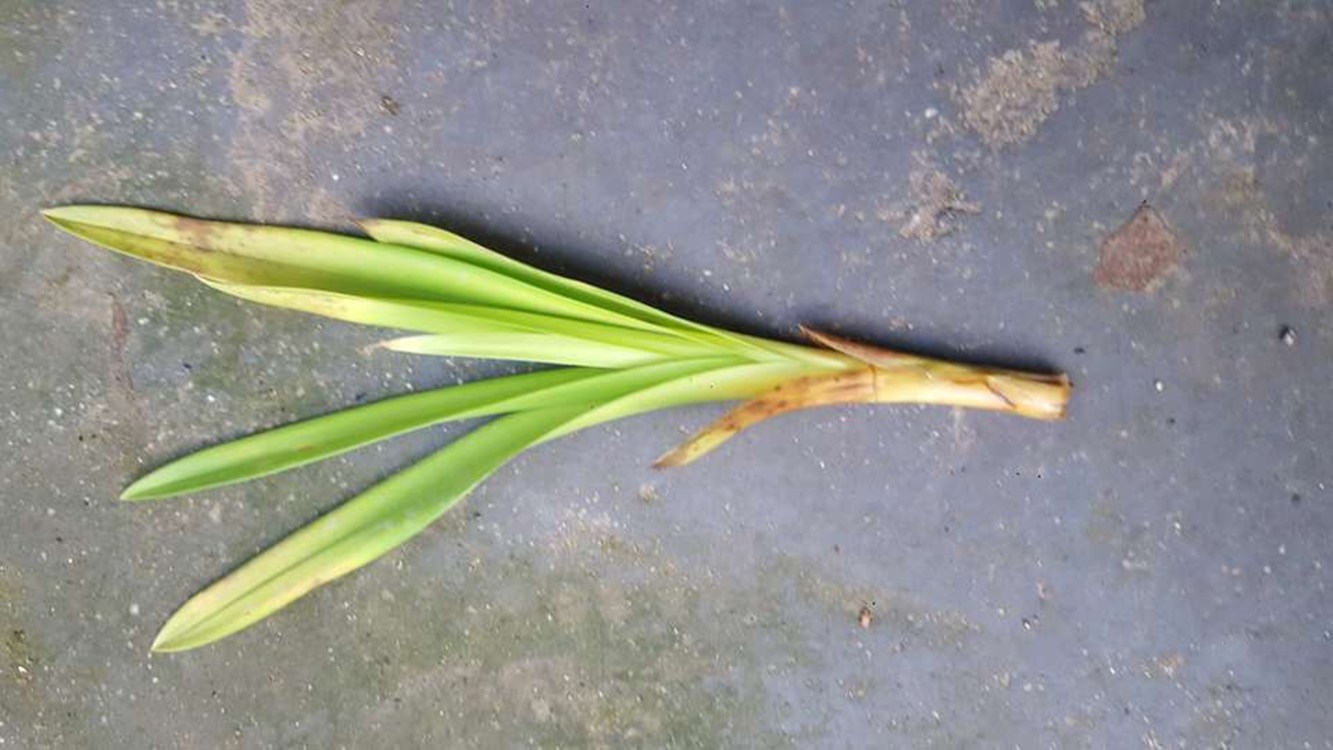
The picture above shows the orchid at this orchid owner's home. This one strong seedling fell off after rotting, and the seedlings that came up are not doing too well either. This orchid owner pulled the rotted orchid grass out of the soil in one go. Look at the picture below: there are still three small seedlings that are healthy, and the rest are basically yellowed and very hard to recover. What should we do at this point? When caring for orchids, what issues should we pay attention to in order to avoid this kind of problem?
2. Orchid rot, cut and apply
First, let's look at the solution. This orchid owner's orchid can actually be saved. From the roots, you can tell it has not been repotted for a long time. At this point, you have to be ruthless and cut the roots, leaving only a few healthy main roots. The principle is to cut off all the rotted parts and keep only the non-rotted ones. Second, spray carbendazim on the wounds, or apply some plant ash to prevent wound infection. After the wounds are aired and dried in the sun, air-dry the roots for 1 day, then repot it.
3. Preventing orchid rot, two small details
So what lessons can we draw from this when caring for orchids in normal times? This little gardener thought of two points. Orchid owners, take a look and see whether you have made the same mistakes:
The first mistake: when this orchid was first brought home, the roots were not trimmed, and it was not repotted or divided. Instead, it was kept whole. There were too many roots, the pot was small, and there were too many seedlings. The orchid roots and seedlings in the pot were too crowded, which is not good for root respiration, and crowding easily causes root rot. When buying orchids, either do not buy a whole pot like this, or after buying it, divide and repot it before caring for it. Otherwise, problems easily arise.
The second mistake is the choice of orchid pot. For basic orchid care, repot it into a pot one size larger each year. This is good for root growth and reduces sick plants. Growing roots depends not only on the pot, but also on a root-strengthening fertilizer. It is best to prepareroot-strengthening fertilizer specially for orchids, best used with 7 parts granular potting medium and 3 parts fine soil, to grow orchid roots as white as jade.
If you want the orchids at home to stay away from root rot, orchid owners should pay attention to the two small details above during care. After an orchid rots, it suffers great damage to its vitality, and the growth of new crowns and the quality of its flowers will be greatly reduced. Therefore, we must put effort into the details of care. Orchid owners, let's work hard together.