Kalanchoe and Christmas Cactus: Pay Attention to These Points After Summer, and You Won't Worry About Flowers in Winter and Spring
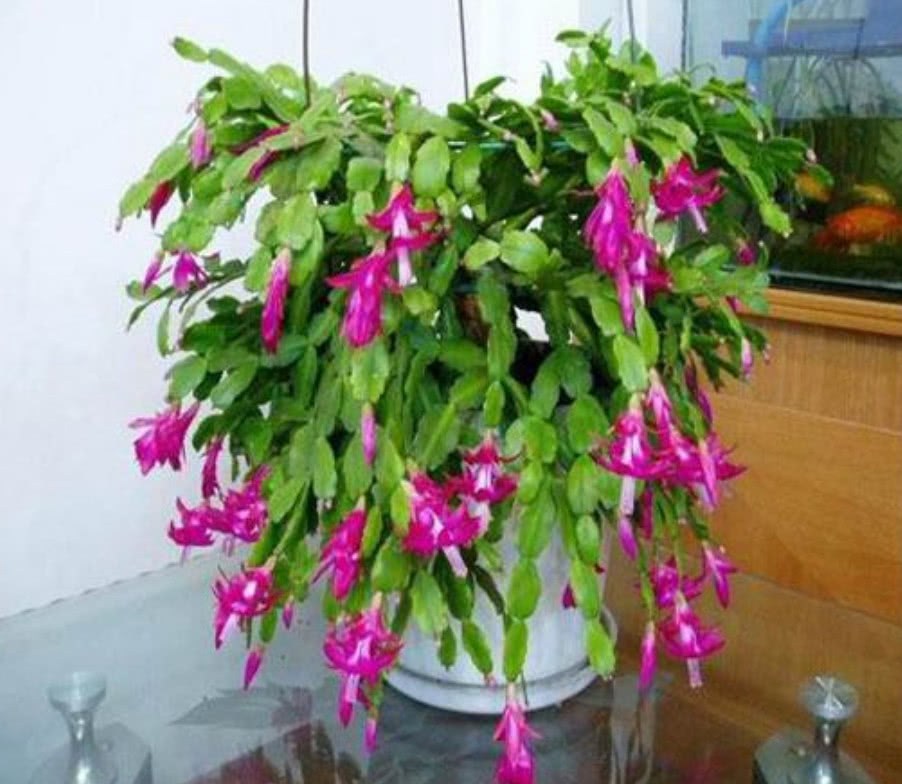
It's late August, and the weather is gradually cooling down. In many regions, temperatures have dropped to around 30°C or even lower. I wonder how the Kalanchoe and Christmas Cactus you're growing are doing after going through a summer of high-temperature "trial by fire"? If they've safely made it through summer, congratulations! After careful autumn care, you'll soon see them bloom. Autumn is the peak growing season for plants like Kalanchoe and Christmas Cactus, and it's also the critical period that determines whether they can bloom in winter and spring. Here are a few autumn care suggestions for everyone.
1. Repotting. As gardening enthusiasts know, summer temperatures are high, plant growth stalls, and due to various limitations, repotting in summer is generally not recommended. But if your Kalanchoe or Christmas Cactus has poor soil after summer, or the pot is too small, it will directly affect their growth and blooming in autumn and winter. At this point, the Kalanchoe and Christmas Cactus have just awakened and entered their growth phase. Repotting them with fresh soil in a timely manner allows them to grow more healthily after adapting to the new environment, laying a solid foundation for bud formation and blooming. For soil mixing, it's recommended to use loose, fertile, well-draining soil rich in humus. For example, decomposed pine needle soil or leaf mold plus a small amount of garden soil and river sand will meet their growth needs.
2. Pruning. During the high-temperature summer period, Kalanchoe or Christmas Cactus in a dormant or semi-dormant state don't completely stop growing; they just grow slowly due to unsuitable temperatures. If you didn't get around to pruning in summer, now is a great time to do it. If your Kalanchoe had severe yellowing or leaf drop in summer and its shape is no longer attractive, cut off the dead branches and withered leaves, and appropriately pinch off the growing tips to encourage more new leaves to sprout. This not only makes the plant shape more rounded and full but also benefits bud formation and blooming. If your Christmas Cactus grew thin and weak new leaves in summer, you can cut them off directly to encourage it to sprout stronger new leaves. Only when the new leaves are healthy and thick with sufficient nutrients is it possible for the plant to form buds and bloom.
3. Watering. Neither Kalanchoe nor Christmas Cactus is particularly fond of water. During the high-temperature summer period when growth is slow, to help them safely get through summer, it's generally recommended not to water until the potting soil is completely dry. This has led many gardeners to blindly stop watering or be afraid to water, causing shriveled or wilting branches. Now that temperatures are gradually dropping, if your Kalanchoe or Christmas Cactus has overly dry potting soil, it will hinder normal growth. It's recommended to replenish water in a timely manner, keeping the potting soil slightly moist to promote faster growth.
4. To help Kalanchoe and Christmas Cactus safely get through summer, we usually recommend stopping fertilization in summer. At this point, the plants may be extremely nutrient-deficient, so it's necessary to promptly supplement with a balanced NPK compound fertilizer to help them recover. If you have your own decomposed organic liquid fertilizer at home, such as soybean cake water or various fertilizer solutions, you can also dilute it and water the plants with it once. When fertilizing for the first time, it's better to use a dilute solution rather than a concentrated one. After half a month, you can fertilize again. Fertilizing at this stage is to promote the plants' recovery, encourage faster sprouting of new branches and leaves, and enhance disease and lodging resistance. Therefore, the nutrition should be comprehensive. Don't over-apply a single nutrient, which could lead to a deficiency of another element. Around October, when Kalanchoe and Christmas Cactus enter the flower bud differentiation stage, reduce nitrogen fertilizer intake and increase phosphorus and potassium fertilizer. You can also bury an appropriate amount of decomposed chicken manure, bone meal, or fish meal around the pot in advance to promote flower bud differentiation.
5. Light. For Kalanchoe and Christmas Cactus to form buds and bloom, adequate light is essential. Shading in summer is to prevent sunburn. If temperatures are below 30°C, it's recommended to give the plants regular sun exposure. Early autumn light may still be relatively intense, so you can provide direct light in the morning and evening. After late autumn and early winter, you can provide full sun exposure to promote photosynthesis and bud formation for blooming.