Aquariums Have a Lifespan Too - Are You Still Unaware When It Has Expired?
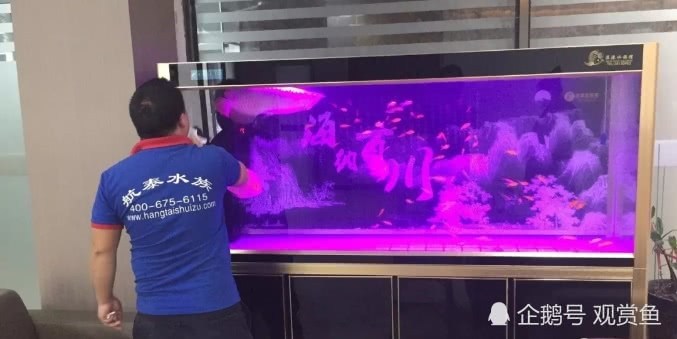
Generally, when we use an aquarium, we rarely consider the matter of its lifespan, unless it is damaged beyond repair, or the glass is scratched and affects the viewing experience, or we simply spot another nicer-looking model and decide to replace it. If there are no other problems, few hobbyists would choose to get a new tank.
Broadly speaking, the service life of an aquarium is around 10 years, but this is only an approximate range. Based on actual conditions, some can be used for over a decade without any problems, while others start leaking within just a few years. You can probably relate this to your own aquarium - how much longer can it last? Especially for those older tanks that have already seen some years, are you agonizing over whether to prepare a replacement in advance? If it suddenly leaks, all the little lives in that full tank would be in danger. But then you think that replacing it too early would feel like too much of a waste!
Actually, there is no need to agonize too much. Whether an aquarium should be replaced can be determined by careful observation - there are plenty of warning signals, and with accurate judgment you can know exactly what condition your aquarium is in right now. Most hobbyists use ready-made tanks they bought. Abroad, aquarium manufacturers give a warranty of only one year, but the actual service life is far longer than that. Very few people replace an aquarium after just one year of use. Depending on the materials used and the differences in bonding methods, the service life of an aquarium will also vary.
Glass Aquariums: Aging of the glass silicone is a signal that it is time to replace the tank. A glass aquarium is made by bonding glass panels together with silicone. Once the glass silicone ages, gaps appear between the glass panels, causing leaks. As for judging whether the glass silicone has aged: when the bond is in good condition, it appears as a smooth white line adhering to the aquarium. When you notice this white line developing jagged wrinkles, you need to pay attention. Next, it will slowly lift up, then the color will start turning yellow, and a tank blowout is not far off.
Generally speaking, freshwater aquariums tend to show glass silicone aging between the fourth and sixth years of use, while saltwater tanks tend to show it between the third and fifth years. The reason saltwater tanks have a shorter lifespan is that salt corrosion accelerates the aging of the glass silicone. Compared to acrylic aquariums, glass aquariums are less prone to scratching, offer high transparency and good viewing quality. When routinely cleaning off algae, be careful not to damage the glass silicone, and keep the aquarium in a level position - this will greatly extend its service life.
Acrylic Aquariums: Similar to glass aquariums, acrylic aquariums are also prone to problems at the bonded joints. Different bonding methods affect the service life. Specifically, after the bonded areas age, bubbles will slowly appear, as shown in the image above. This aquarium has already been used for 10 years. If left unattended like this, the bubbles will increase until it leaks. Based on experience, after the corners of an acrylic aquarium age, it generally does not blow out all at once, but rather starts with a drip-drip-drip leak.
Generally speaking, whether saltwater or freshwater, acrylic aquariums have a service life of around 5 to 7 years. If re-bonded, many hobbyists can use them for over 10 years. However, compared to glass aquariums, although acrylic aquariums are fine in terms of strength, they scratch very easily and become unsightly within just a few years, affecting the viewing effect. This is also why many people choose to replace their tanks. That said, the corners of acrylic aquariums age more slowly, giving them a longer service life, and they are relatively cheaper and lighter in weight. In addition, colored acrylic panels can be used to decorate the aquarium, enhancing its overall aesthetic appeal - quite a few hobbyists choose acrylic aquariums for this reason. Perhaps because the influence of salt is not significant, there is little difference in service life between saltwater and freshwater tanks.
So, after reading this article, do you think your aquarium needs to be replaced?
If you have any questions about the content of the above article, you can leave a comment at the end of the article to consult me~