Six major causes of orchid seedling death, the fifth, pests and diseases, is the most harmful
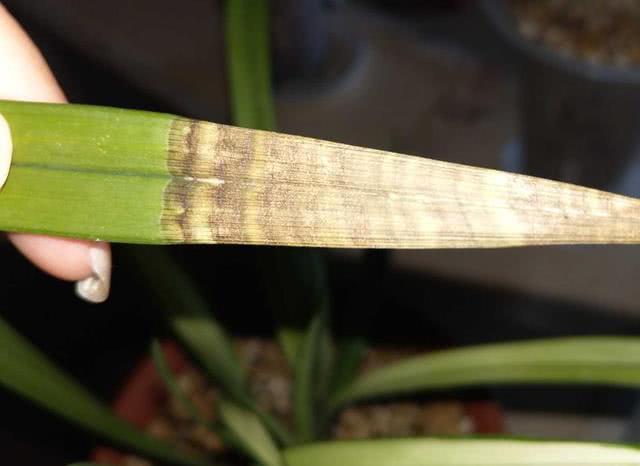
Orchid seedlings develop scorched tips, yellow leaves, yellow leaf sheaths, rotten cores, rotten roots, rotten pseudobulbs, and finally the whole plant dies, causing huge economic losses to investors in fine orchids. Orchid growers have different opinions. Only when cultivation becomes difficult do you truly understand orchids. According to my analysis, the main causes are:
Orchid pests
First, excessive fertilizer. Orchid growing media should be lean rather than rich. When mixing them, do not worry that fertility is insufficient and add too much heavily fertilized growing medium. If the growing medium is found to be too rich, it should be replaced promptly or treated technically. During orchid management, if the plants can grow normally relying on the growing medium, there is no need for extra fertilization. When fertilization is truly needed, organic fertilizer should be the main type, and organic fertilizer must be decomposed before use. Undecomposed grass material, bone meal, oil cake, etc. must not be used directly to fertilize orchids. Special orchid nutrient solutions are usually also a kind of fertilizer, and fertilizer damage from excessive application must be prevented. When using organic fertilizer or chemical fertilizer, it must never be too concentrated; apply dilute fertilizer frequently.
Second, excessive pesticide use. Any medicine has side effects, just as a healthy person who takes medicine every day will develop problems even without illness. Commonly used orchid management chemicals can be divided by purpose into sterilizing agents, insecticides, and hormone agents. Frequent use of different chemicals or use beyond the dosage can both cause phytotoxicity. Prevention first, nip problems in the bud. Vigorous orchids can go without chemicals, and only when pests or diseases truly require it should they be used in appropriate amounts. When temperature rises and humidity decreases, prevent chemicals and fertilizers applied at normal amounts from naturally increasing in concentration and harming the seedlings.
Orchid pests
Third, excessively high temperature. Orchids need to grow in a suitable temperature and temperature-difference environment. The suitable temperature for orchid growth is 15 to 30 degrees, and the suitable day-night temperature difference is 5-15 degrees. When the potting medium temperature is higher than 35 degrees, the day-night temperature difference is extremely small, or ultraviolet lamps shine for a long time, the plant vessels that transport nutrients for orchid growth are highly prone to mechanical damage, viruses and bacteria in the environment reproduce extremely quickly, and orchids are likely to become infected with viruses and bacteria, resulting in seedling death.
Fourth, excessive humidity. The orchid growing environment should be dry rather than wet. Do not water too frequently, or pour overhead water during hot seasons with high temperature and high humidity, to prevent waterlogging from damaging roots and rotting cores, which leads to seedling death.
Fifth, insufficient air permeability. Both orchid pots and orchid rooms need ventilation. Growing media should be coarse rather than fine. Orchid rooms should not be stuffy; pay attention to ventilation and do not let oily smoke discharged from kitchens or factories enter the orchid room. Harmful gases breed viruses and bacteria, making orchids prone to disease and likely to cause large-scale orchid seedling death.
Sixth, dividing them too singly. Orchids are clump-forming plants and like to grow in groups. Generally, they should not be divided too frequently or planted singly. Weak, old, or diseased seedlings that are too solitary have poor disease resistance. Introduce disease-free, vigorous new seedlings. Diseased orchid seedlings found should be disinfected promptly and managed in isolation, and only after growth returns to normal can they be put into the orchid room. Tissue-cultured seedlings and greenhouse seedlings have relatively weak ability to adapt to the natural environment, so they must be carefully tended. Do not rush for success or try to pull seedlings up to help them grow.
Orchid pests
The above are the six major causes of orchid seedling death summarized by the author. It is not easy for fellow orchid growers to cultivate orchids. Prevent these various causes of orchid seedling death in advance, improve deficiencies in many ways, and gradually form your own orchid-growing experience. Fellow orchid growers, have you ever had the experience of orchid seedling death? Which kind of seedling death is hugely harmful? If you also like growing orchids, you are welcome to follow and share, and thank you for your comments and likes. Thank you!