5 key points for potted flower care to help you master 99% of potted flowers
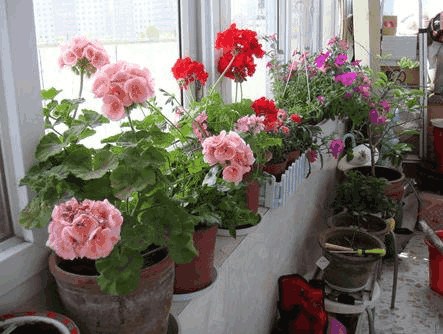
Balconies are generally used for growing potted flowers, whether in clay pots, plastic pots, or foam boxes. In fact, much of potted flower care is interconnected, so flower lovers can refer to these 5 key points about potted flower care.
1. Watering and fertilizing principles: Do not blindly trust watering once every few days. The general principles are: water thoroughly when the soil is dry, water when dry and withhold when wet, fertilize along with watering, and apply light fertilizer frequently.
2. Temperature: The suitable temperature for potted flowers is generally 18-25 degrees Celsius. In general home care, as long as the temperature is not lower than 15 degrees and not higher than 32 degrees, plants can grow well. For foliage plants, 22 to 28 degrees is most suitable. For flowering plants, during the flowering period, the temperature should be lowered as much as possible while ensuring no frost damage occurs; lowering the temperature can extend the flowering period.
3. Humidity: If conditions permit, a humidifier can be used, and water can also be sprayed on the leaves. When spraying water on the leaves of flowering plants, do not spray it onto the flowers; flowers are prone to disease when they encounter water, which affects the ornamental effect. In the north, because of winter heating, indoor temperatures are high and the air is dry, so more humidity should be added at this time.
4. Light: Most potted flowers require diffused light, especially shade-loving plants; too strong light can cause sunburn. Different flowers have different requirements for light conditions, so the most suitable thing for home care is to place the flowers where they can receive diffused light and are not exposed to direct sunlight (of course, except for a few flowers and trees that require higher light intensity).
5. Fertilizer: Regarding the application of fertilizer, many flower lovers may blindly trust the fertilizers or nutrient solutions sold in flower shops, but some fertilizers do not clearly indicate the fertilizer ratio. Generally, they are all right to use on foliage plants, but when used on flowering plants, they may cause problems. Therefore, for the potted flowers you grow yourself, you should first understand their habits, then buy and apply the corresponding fertilizer. You can also make your own composted fertilizer, as its fertilizer effect is milder and longer-lasting.