How many watering tips do you know? Simple methods taught to you right now
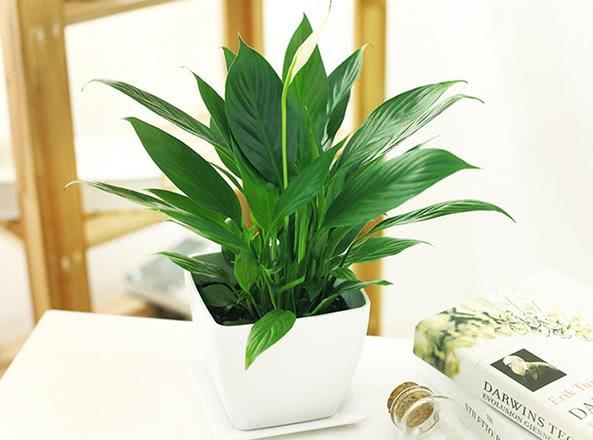
We have introduced many methods for growing plants, and watering is certainly an unavoidable part of it. Many times I tell everyone to water an appropriate amount and to use a suitable watering method, but in fact many people still do not know how to do it and still water according to their own way, so the result is definitely not as good as expected. Therefore, today the editor has specially written an article to tell everyone exactly how to water.
Many people think that watering plants only after the soil has dried out completely is the best approach, but this is actually incorrect. Once the soil has dried out completely, it means the plant is truly lacking water, and by that time the plant has already been harmed. So when we water, it should definitely be when the plant's soil is slightly dry. This requires us to judge for ourselves, and it is actually quite easy to judge. We can directly feel with our hands whether the soil is dry. Judging with the naked eye is certainly not as accurate as judging by touch. During the plant's growing season, if we cannot feel moisture from the soil at a depth of 1-2 finger joints in the potting soil, then it means the plant needs watering.
We can also find a bamboo skewer and insert it into the soil. If we find that it cannot be pushed in any further, that means the soil definitely has no moisture left. Then we judge the position where the soil is dry. Judging when to water by this method is a relatively accurate one.
I suggest that beginners water according to certain rules and not compare themselves with experienced people. I often teach beginners to water like this: when we water plants, we usually let the plants absorb enough water, so when we water, we water thoroughly. But it does not mean that just because we have watered thoroughly, the plants can really absorb all that water. It may even cause the plants to absorb very little water, with the water only clinging to the surface of the soil, making the grower think the plant has absorbed a lot of water. So we need to take some measures to solve this problem. There are two methods to solve it.
The first method.
When we water, we need to pour a lot of water, at least enough that with the naked eye it looks thoroughly watered. To make the water distribute evenly in the soil rather than concentrating in one corner, after watering we can pick up the flower pot and pad it up and down a little. This is to make the water spread out through the soil, so that water molecules are present in every part of the soil, and the plant can absorb water from the soil. When there is no water in the soil, the soil will naturally appear dry, reminding us that it is time to water. This way, the situation will not occur where the top of our soil is slightly dry while the inside of the soil is still waterlogged.
The second method.
There are certainly small holes in the bottom of our flower pot. This is to allow water to flow out, but water flowing out does not mean the water has distributed evenly. At this time, we can use a paper towel or a dry towel, that is, an absorbent material, and place it at the bottom of the flower pot to absorb the water in the soil. If the bottom of your flower pot has no small holes, you can also turn the flower pot upside down and place a paper towel or dry towel at the opening. This also works.
These are the methods. Sometimes the method is not the most essential thing. The most essential thing is to know the how and also know the why. So what the editor has said is all essential!