What to do when pennywort leaves are scorched and withered? Do 3 steps plus add one thing, and new leaves will fill the pot in 1 week
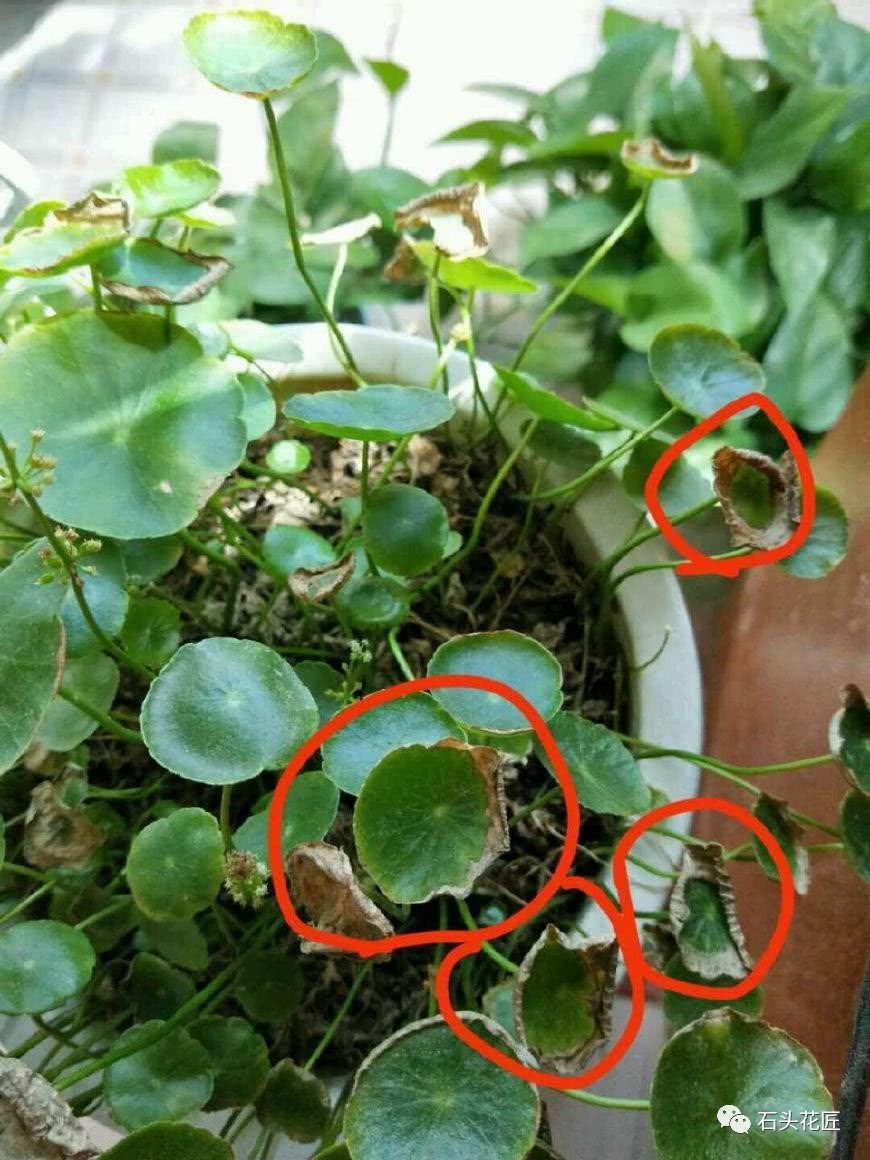
Pennywort leaves "scorched and withered", 3 steps to easily solve it, then add "it" and new leaves will fill the pot in 1 week!
Pennywort (Hydrocotyle vulgaris) is a perennial herbaceous plant, with round leaves like coins, growing at the top of the plant, very suitable for indoor cultivation, symbolizing bringing in wealth and treasure. Moreover, pennywort is also a very artistic plant; just a few stems can decorate a potted plant. Pennywort can be grown both in water and in soil. Although it is said to be a very easy-to-grow plant, some flower lovers still encounter this during cultivation: pennywort leaves becoming scorched and withered.
In fact, this problem occurs. It is mainly caused by inappropriate cultivation conditions. Pennywort likes to grow in a humid environment. It cannot be placed in direct sunlight; scattered light is enough. For daily cultivation, it is best to place it in a ventilated place with scattered light, so the plants that grow are relatively strong and not prone to lodging. Like the situation shown in the picture: pennywort leaves scorched and withered. It is entirely caused by light that is too strong. So when this happens, it should be solved according to the following 3 steps.
1. Pruning
Use scissors to trim off the withered and yellow leaves, because leaves burned like this will not recover. Also trim off the lodging leaves. Tidy up the entire potted plant.
2. Light
It is best not to place the potted plant outdoors for cultivation. Placing it indoors in a place with scattered light is enough, such as a windowsill, balcony, or living room. Because pennywort leaves cannot withstand strong direct sunlight, otherwise this scorched and withered situation will occur. Grown indoors, pennywort leaves can become emerald green and firm.
3. Watering
Pennywort relatively likes to grow in a humid environment. For soil-grown pennywort, ensure the soil is moist, but there must be no water accumulation in the pot. In later cultivation. You can spray water on the pennywort leaf surface every day; increase humidity and promote growth.
There is a key point later: pennywort has no special requirements for fertilizer. Sometimes too much fertilization can instead also cause leaves to become scorched and withered. So generally normal care does not require fertilization. But for a potted plant like this that has been pruned and has sparse leaves. It is recommended to spray the leaf surface with a 0.2% aspirin aqueous solution. Because aspirin contains abundant salicylic acid, and salicylic acid can accelerate the growth of the plant's roots and leaves. Spray the plant leaves once a week, and in three weeks many new leaves will grow out, and the new leaves will grow glossy green and crisp-bright.
In fact, pennywort is very easy to cultivate. In a humid environment, with scattered light, and ventilation, it can satisfy the plant's healthy growth. But after pennywort has filled the pot, the plant should be regularly thinned and pruned, otherwise the bottom is prone to rotting.
About the little trick for handling "scorched and withered" pennywort leaf surfaces. If you find it useful, please like, follow, and forward it to more friends below.
I am [Stone Gardener]. I share gardening and flower tips every day. Remember to follow me.