Keep these 4 points in mind when growing jasmine, and you can smell the fragrance every day
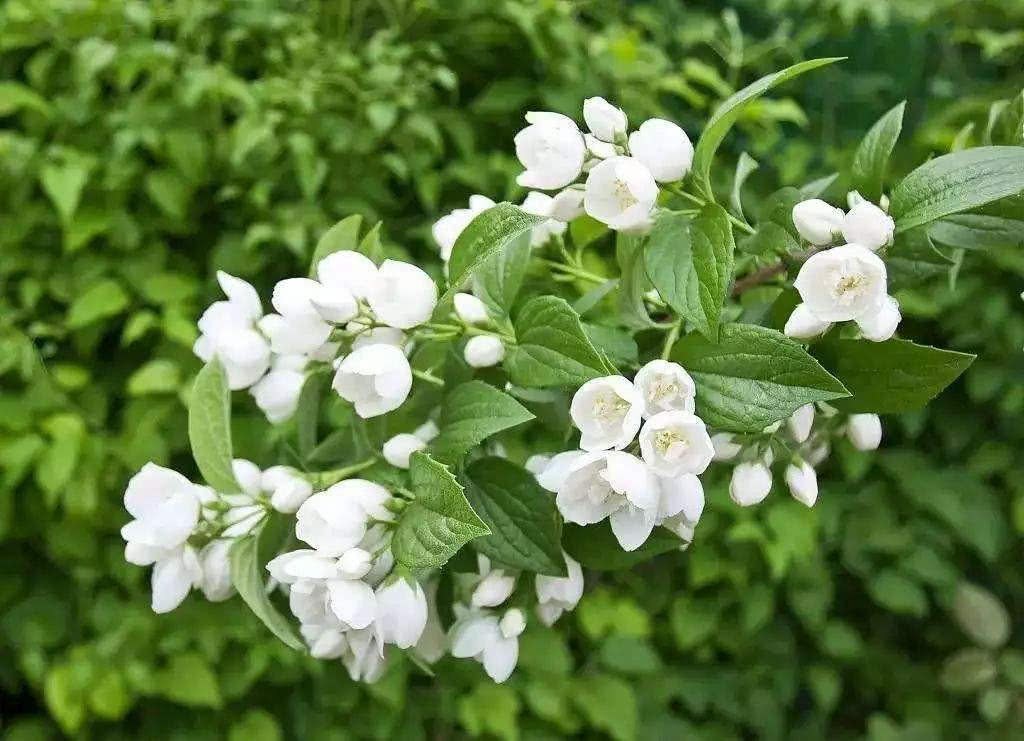
?The song "Jasmine Flower" is a well-known Chinese song. Jasmine is also loved by people for its elegant, pure white appearance and refreshing fragrance. However, although jasmine is beautiful, it is indeed difficult to care for. Sometimes the leaves turn yellow for no apparent reason, and the flowers fall off. Don't worry, Huahua has four jasmine care tips to teach everyone.
Jasmine is suitable for growing in slightly acidic soil. If the soil is mixed with alkaline elements, the leaves on the jasmine stems will gradually turn yellow, and the flowers will also fall off. But this phenomenon should be unavoidable in the north, because the soil in most areas of the north is alkaline. In that case, we can soak apple peels in water to neutralize the alkalinity in northern soil, so that jasmine, which blooms vigorously in the south, can still stand tall in the north.
In plant classification, jasmine belongs to sun-loving plants, and jasmine is originally a southern plant, so sufficient light is the condition for its vigorous growth. Only in this way can its branches be robust and its flowers bloom densely. If it is placed in a shady place for a long time, jasmine cannot absorb nutrients, the leaf color will be relatively pale, and the flowers will not be full enough.
Because jasmine is a southern plant, sometimes the winter temperature in the north is too low, which may cause jasmine to stop growing. The suitable growing temperature for jasmine is about 23-25°C, so in winter, try to put jasmine indoors for care. This can keep the flower branches warm and prevent it from failing to bloom the following summer. During the summer flowering period, you can fertilize frequently. In winter, when the temperature is low and absorption is slow, you can fertilize less or not fertilize at all.
Watering is a very important issue for every plant. Whether watering is done properly affects the growth of jasmine. Although jasmine is a plant that likes water, do not water too much at one time. If you water too much at one time, the jasmine leaves will directly turn withered and yellow.
If the soil in the flowerpot remains moist for a long time, the soil's aeration will weaken, water will accumulate at the roots, and this will directly cause root rot. Once this happens, you need to move the jasmine to a relatively cool place, control watering, and loosen the soil in time. Only in this way can you help the plant grow new roots.
The above are the points Huahua has summarized that need attention when caring for jasmine. Of course, jasmine cuttings are also very simple. Generally, spring is the more suitable time, so the survival rate will be relatively high. Huahua believes that after knowing these, not only for jasmine but also for other plants, flower lovers will have their own insights on care.