Tips for retaining nutrients in flowers and plants, do it this way and they will grow vigorously
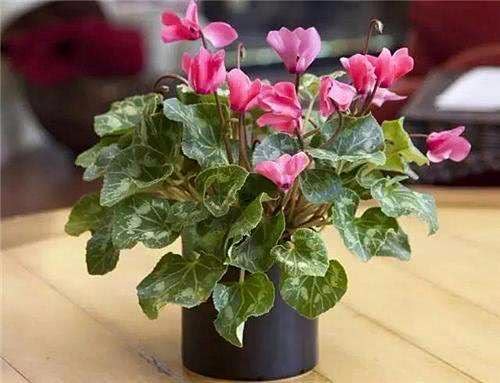
For most plants, autumn is a good time to replenish nutrients. Whether to promote flowering or to promote growth. And fertilizing properly in autumn can prepare them for winter, improve cold resistance, and of course also determine the growth in spring.
Clever tips for autumn fertilizing
Focus on phosphorus and potassium fertilizers, reduce the nitrogen content. Try not to use compound fertilizer directly.
After the weather gradually turns cooler, gradually extend the fertilizing interval, appropriately slow the plant's growth rate, and build up the plant's ability to withstand severe cold.
"Teach according to the material": for plants that only bloom in spring, supplement phosphorus and potassium fertilizers to strengthen their cold and disease resistance! For plants about to bloom in autumn, focus on phosphorus fertilizer to prevent bud drop and flower drop.
When fertilizing, even more important is retaining nutrients
Retaining nutrients means reducing the consumption of the leaves, which involves timely pruning. Autumn temperatures are generally around 20 degrees, and most plants will sprout many new branches, and they will be uneven. To reduce nutrient consumption, timely pruning is very important. Cut off those excess forked branches, diseased branches, and weak thin branches to reduce nutrient consumption, store them up, and resist the winter.
Examples: for wax begonia and fuchsia, after flowering cut off overly tall stems and branches, lower the plant shape, and encourage branching so they can continue to bloom. When the trailing stems of plants such as arrowhead plant and inch plant are too long and affect the plant shape, they can be appropriately thinned out.
Protect against cold and resist freezing
The transition from summer to autumn, and from autumn to winter, is accompanied by temperature changes. What to note is that you should give plants room to gradually adapt, and not change the temperature all at once. When bringing them indoors and outdoors, when a cold wave hits, close the windows in time to avoid the harm to plants caused by a sudden drop in temperature!