Taiwan, China's bonsai has developed its own distinctive artistic style
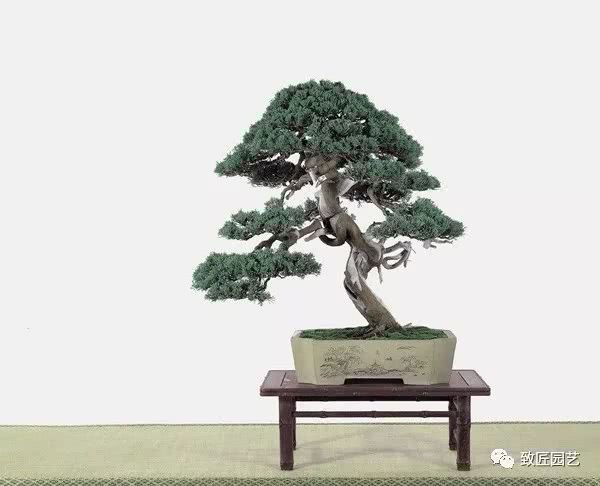
Bonsai in Taiwan, China is influenced both by the Lingnan school and by Japanese bonsai. It differs from the southern school's "branch training and trunk truncation" and also from the northern school's "coiled trunks and clipped pads," advocating an antique, vigorous, elegant and natural style. Commonly used tree species include: black pine, banyan, five-needle pine, shimpaku juniper, camphor tree, Chinese hackberry, sea rosemary, maple and others.
Due to historical reasons, bonsai in Taiwan, China has an especially close relationship with Japanese bonsai. Japan's annual bonsai exhibitions always invite Taiwan, China's bonsai to participate, so that the main styling forms of Taiwan, China's bonsai imitate and derive from those of Japanese bonsai, while still striving to maintain the traditional style of Chinese bonsai (especially the Lingnan school). The shari and jin styling originating from Japan occupies a fairly prominent position in Taiwan, China's shimpaku juniper bonsai, and has expanded from mainly pines and junipers to other tree species. The bone-white shari and jin contrast pleasingly with the verdant foliage, which is very distinctive. The "styled wood" form, heavily influenced by Japanese bonsai styling, is dignified and steady, and one could even say it has a touch of "dominance." The short and stout type can be seen as a dwarfed version of a towering tree, with a rigorous structure and great skill, and is fairly representative in Taiwan, China's bonsai. Others, such as the forest style, cliff-hanging style and so on, are closer to the Lingnan style, following nature, guiding according to circumstances, breaking free from convention and imbuing new meaning.
Highlights