How do you fix a succulent that is in a sub-healthy growing state?
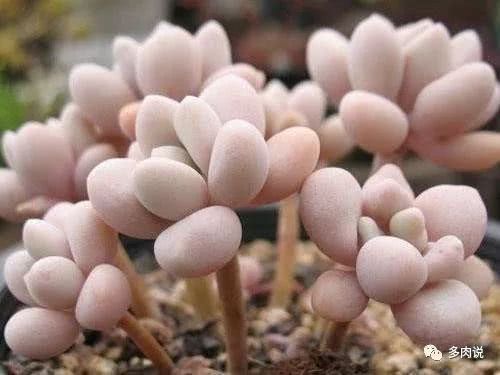
The growing state of succulents is probably the thing beginners care about most. We usually judge their condition from the leaves, the growth vigor and the color. So how do you read the leaves? You can observe the growing points of new leaves, mature leaves and old leaves. Normally, new leaves should be disease-free with no color change; mature leaves should have no conditions such as waterlogging, black rot or black spots, and should be plump and firm; old leaves should show no disease, just normal metabolism with soft, withered, falling leaves.
1. Rotten leaves
Cause: usually brought on by hot, stuffy and humid weather. It is especially easy for rot to occur when the succulent's roots are not healthy enough, or when the wound has not been dried after root cutting. So we should observe more often. After root cutting, the succulent should be dried for 3-7 days, and any disease should be dealt with promptly.
2. Lack of water
This generally falls into two cases. One is true lack of water, which will recover within a period of time after proper watering. The other is a problem with the succulent plant's roots, which affects water uptake; in this case even watering will not help, and some treatment of the roots is needed. In both cases the leaves appear wrinkled and soft.
3. Leaves turning transparent
When we see the succulent leaves starting to turn yellow and transparent, we need to pay extra attention. This situation mostly occurs in summer during the dormant period and in winter during the slow-growth period.
The biggest cause of this phenomenon is that we water too much, which bursts the cell walls of the leaves, and the leaves begin to turn to water and become transparent. When this happens, we need to remove the transparent, waterlogged leaves, then move the succulent indoors to a well-ventilated place, and stop watering for a short period.
4. Withered leaves
The problem is also in the roots. If the roots do not absorb well, the succulent's condition will deteriorate. At this point, too much water easily causes rot, while too little water causes drought, so getting the water right is very important. It is also related to the soil to some extent. When growing succulents, prioritize the roots, and get the soil ratio right; you can use more granular soil, and repot later once they are growing well.
5. Lower leaves withering
If the lower leaves of your succulent slowly wither, this basically rules out a lack of water. This is the succulent telling you that they are beginning to grow and age, and we just need to wait for them to wither and then promptly remove these aged leaves.
6. Stems growing taller
If your succulent's stems keep growing leggy and wild, starting to look deformed and ugly, this shows that we have not done well on two key factors: watering and light.
Too much water and insufficient light cause succulents to grow leggy. At this point we can move the succulent to a place with plenty of light. If the succulent's original growing environment has insufficient light, do not suddenly expose it directly to the sun; instead, start mainly with scattered light and then slowly increase the light.
When caring for succulents in daily life, we can refer to the above and regularly give our succulents a little check-up, dealing with problems promptly, so that our little succulents can grow up healthy!