Venus flytraps need to be fed insects to grow, and potted plants on a windowsill can bloom too
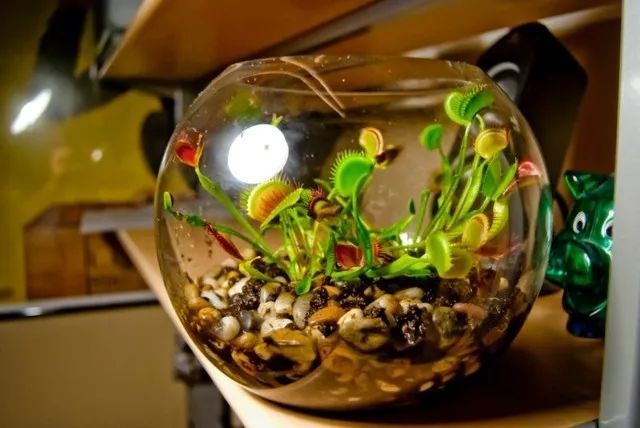
The Venus flytrap is a very special carnivorous plant. It originally grows in tropical swamp areas, preferring moist, highly acidic and nutrient-poor sandy soil. Venus flytraps also need soil and photosynthesis to grow; eating insects is only to supplement nutrients, which also makes it a very easy-care indoor potted plant.
1. Choose a plastic pot with good drainage
The Venus flytrap needs a lot of water during growth, but if water accumulates in the pot, it easily breeds mold and can cause root rot. Therefore, it should be grown in a pot with drainage holes; it is very difficult to grow well in a pot without holes.
Sticky soil is very difficult to use for growing Venus flytraps. Be sure to use loose, well-draining sandy soil. The nutrient level in the soil does not need to be too high, and avoid using soil with too much fertility, otherwise it will affect the growth of the Venus flytrap.
As the Venus flytrap plant continues to grow, you will need to repot it so it can adapt to a new environment.
2. Soil selection
The Venus flytrap is meant to grow in nutrient-poor, slightly acidic, well-draining and airy sandy soil. You can mix sphagnum peat moss with river sand at a 1:1 ratio; this kind of soil has very good drainage.
Do not use common nutrient soil or compost soil to grow Venus flytraps, and even more importantly, do not add fertilizer. Excess nutrients are harmful to the plant. At this point you can use water moss, also called sphagnum moss. Sphagnum moss can hold a lot of water and has very good air permeability. Properly adding river sand or perlite can increase the drainage of the soil.
3. How often to water
To care for Venus flytraps, keep the sphagnum moss moist at all times and avoid drought. Generally, you need to water every few days. In dry and hot conditions, you need to increase the watering frequency, or place it on a tray with some clean water in it.
When caring for Venus flytraps, avoid water accumulating in the soil. Use soft water to replenish moisture, including distilled water, rainwater and well water. If using tap water, it contains alkaline substances harmful to Venus flytraps, so it needs to be put in a container and left for two or three days before use.
4. How much light does the Venus flytrap need?
The Venus flytrap can also grow well in partial shade, but it needs at least about 4 hours of light per day. If you want to promote more vigorous growth, besides providing appropriate shade during the hot summer, you can give it more light in the other seasons.
When the temperature is too high, avoid direct or harsh sunlight. In summer, Venus flytraps are easily sunburned. You can put up a shade net, or only give it morning and evening light, or grow it under tree shade or inside on a windowsill.
If there is no direct sunlight, you need to supplement with fluorescent light, placed about 10-20 cm away from the plant, and the light can be turned off once after 12 hours.
5. Feeding precautions
If you grow Venus flytraps outdoors, they can catch small insects on their own, but indoors it is difficult for them to catch small insects, so at this time you need to feed them occasionally.
When caring for Venus flytraps, do not overfeed them either. Repeated feeding will weaken their energy. It is best to feed live insects, which is beneficial for the Venus flytrap's natural digestion. Feeding can only be done during the growing season.
Insects that can be fed include flies, mosquitoes, moths, spiders and ants, etc. It is best to feed flies. Use tweezers to place the insect on the Venus flytrap's trap, and it will close automatically.
6. Dormancy care
Some Venus flytraps bloom in spring, grow in summer and autumn, and go dormant in winter. Of course, they will not die; their condition will be somewhat worse in winter, and they can only recover their vigor after spring warms up.
In winter, pay attention to cold protection. Keep the minimum care temperature at around 3-11 degrees. You can grow it on an indoor windowsill and give it appropriate light every day. The soil also needs to remain moist.
In some places it is too cold, so use transparent plastic film to cover it. However, before it goes dormant, you need to cut off all diseased leaves and black leaves, spray fungicide, and only after replenishing water can you cover it with a bag.
7. Prune withered or dying leaves
Once you find leaves drying up or starting to turn black, cut them off promptly to avoid fungal infection. It is very important to promptly cut off these diseased and leftover leaves. If you find stems and leaves starting to wither, dry out, or turn brown or black, deal with them promptly.
The black stems and leaves above should be cut off promptly. Once mold is found, spray fungicide.
8. What to do if the Venus flytrap blooms?
Venus flytraps do bloom, but generally only Venus flytraps in natural swamps bloom easily. Venus flytraps kept indoors as potted plants rarely bloom; flowering is extremely rare. If you find it blooming, you should cut it off to avoid consuming more nutrients, otherwise after the flower fades the plant will grow weaker and eventually wither.
As shown in the picture above, the Venus flytrap's flower stalk is round, while the stems and leaves are flat.
9. What happens if you put your finger on a Venus flytrap?
Of course a Venus flytrap cannot hurt you. If you put your finger on the Venus flytrap's trap, it will close automatically. As long as your finger or anything else touches the hairs on the trap, the trap will close automatically. However, your finger may damage the Venus flytrap's trap.
After the Venus flytrap's trap closes, it generally takes about a day before it can reopen. If you play with the trap too many times, it may very likely be worn out, because its traps only open and close a few times in their entire life cycle.