What is the best soil for growing flowers? This kind of soil gives thick roots and green leaves, and whatever you grow with it thrives
As living standards improve, more and more people are growing flowers. Anyone reading this article is probably a fellow flower lover! I am delighted to share some flower-growing experience and tips with you. In flower care, what condition matters most? There may be no single answer. Watering, fertilizing, light and ventilation - none of these can be ignored. In fact, besides the 4 points above, there is one more detail that cannot be ignored, and that is "nutrient soil". The quality of the soil determines whether the root system is strong, and also whether the plant can grow lush branches and leaves.
No soil beats "this kind" of soil; it is amazingly good for growing flowers, with thick roots and green leaves, and whatever you grow with it thrives
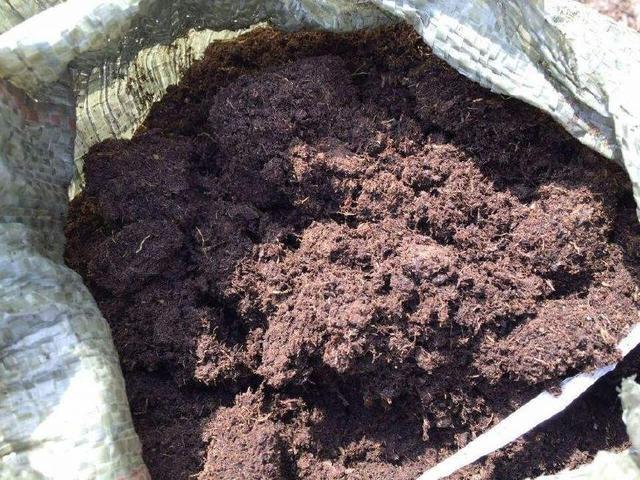
This kind of soil is not leaf mold, but peat soil with sun-dried barnyard manure added, and then some chopped straw mixed in. Why do people say it is so good for growing flowers? To put it plainly, it is because this potting soil is loose, fertile, breathable and nutritious. Peat soil itself contains quite a lot of humus, which benefits the growth of potted flowers. The sun-dried barnyard manure, on the other hand, is genuine organic fertilizer; adding it in works better than any special flower fertilizer on the market. And when this barnyard manure is used as a base fertilizer, potted flowers need no additional fertilizing for half a year.
Adding some crushed straw to this soil makes it even looser, and it also has a certain heat-insulating property. Especially when the weather turns cool, the effect of the straw becomes obvious. Compared with leaf mold, this kind of nutrient soil is the most useful all-purpose soil for flowers. Use it to grow flowers, and whether it is clivia, spider plant, pothos or other flowers, they will thrive more and more. Look, after long-term care, the clivia above has roots that have burst out of the pot! And as a surprise, the clivia has also grown many small "sprouts"; dividing these small sprouts can propagate many pots of clivia!
After mixing this nutrient soil, do not repot or change the soil for the flowers immediately
Repotting flowers and plants and changing their soil also involves many particular points. If you repot at the wrong time, it will have a negative effect. When changing to new nutrient soil, pay attention to the following points. First: stop watering. Before changing the soil for flowers, stop watering for three days first. Otherwise, after watering, the roots will stick to the soil and be hard to change. Second: the time for repotting and changing soil. Repotting and changing soil are recommended in spring and autumn each year. And right now, August and September are also a good time, very suitable for changing to new soil.
That is all for the knowledge about nutrient soil for growing flowers. Thank you for reading! If you also like growing flowers and have better experience and tips when growing them, feel free to comment as well, so that more and more people can learn.
Finally, a reminder to fellow flower lovers: autumn has already arrived and the weather is turning cool, remember to add a layer of clothing when going out!
Remember to like and share~