What to do when lantana leaves turn yellow and withered? 3 tricks to make the leaves emerald green and the pot full of flowers
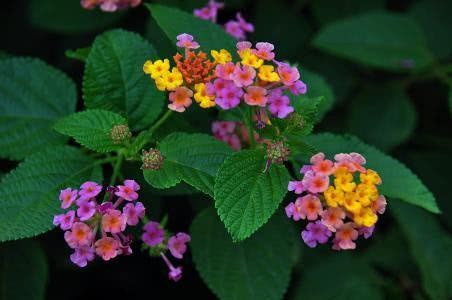
Lantana is also a flower that people often grow in daily life. Because of its brilliant colors and long flowering period, it has become one of the reasons people like it. However, during the process of growing it, the problem of lantana leaves turning yellow and withered often occurs. If the leaves turn yellow, it will not only affect the appearance, but will also definitely affect flowering in the future. So when you find that lantana has yellowing leaves, you should treat it promptly.
Today Huahua will tell everyone why lantana leaves turn yellow and withered, and how to remedy it.
Reason one: insufficient light
Lantana is a light-loving plant and needs to receive sunlight for most of the day. If there is not enough light, it will directly affect the color and number of lantana flowers later on. It will also cause poor development in lantana and lead to leggy growth.
Yellow and withered leaves are also caused by insufficient light.
Reason two: lantana has been damaged by frost
Most of the time when lantana leaves turn yellow is around spring. If the leaves turn yellow and withered in spring, it means the lantana has already been damaged by frost. In winter the weather becomes cold and dry, which is undoubtedly a huge challenge for lantana, which comes from tropical regions, so it is very important to take measures to prevent frost damage.
Reason three: lack of water
If it is not caused by insufficient sunlight or frost damage, then you should think carefully about whether there is not enough water. Although lantana is drought-tolerant, it is also moisture-tolerant, and insufficient water can also cause lantana leaves to turn yellow and withered.
So how should you remedy lantana whose leaves have already turned yellow?
Measure one: supplement light
Since the yellow and withered leaves have already been caused by a lack of light, then you should treat the root cause. What needs to be noted here is that you must not directly move it to a balcony or windowside to let the sun shine on it directly, otherwise the lantana, in its weakened state, may not be able to adapt to the strong sunlight and may wither away. You should proceed step by step. First put the lantana in an indoor place where it can receive scattered sunlight, and after the lantana leaves become a little greener, then place it under the sun.
Measure two: cut off branches and leaves
Cut off the yellow and withered branches and leaves of the frost-damaged lantana, leaving the healthy parts. At this time it is best to add another layer of soil for the lantana to protect the root system, help retain moisture, and provide nutrients. When the weather gradually warms up, try adding fertilizer for the lantana and just water it normally.
Measure three: provide enough water
Lantana that lacks water cannot be directly given too much water. The principle is the same as in the light section: first give the lantana time to adapt. First water the soil until moist, and when the lantana's condition improves, then you can slowly increase the water.
Lantana is actually very easy to keep alive. Even if it gets sick, as long as you care for it well, normal watering and sun exposure will restore its vitality. Is your lantana sick? I hope this article can help you.