Potassium dihydrogen phosphate has good fertilizer efficiency, but try not to mix it with these pesticides
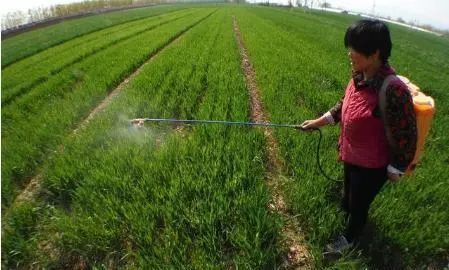
Potassium dihydrogen phosphate, as a highly efficient binary compound fertilizer, provides plants with the two major elements phosphorus and potassium. It has a wide range of uses and strong adaptability. It can not only be widely used in crops, but is also a fertilizer often used in horticultural vegetable and flower cultivation. There are various application methods: you can choose furrow application or foliar spraying, and it is deeply welcomed by the vast number of farmer friends and horticultural flower growers.
In agricultural production, in order to save effort, potassium dihydrogen phosphate is often mixed with pesticides and then applied by foliar spraying. However, not every pesticide can be mixed and applied together with potassium dihydrogen phosphate. To understand this, we first need to know the chemical properties of potassium dihydrogen phosphate.
Because potassium dihydrogen phosphate hydrolyzes to release a large amount of H ions, its solution is also acidic. In addition, the phosphate radicals produced by hydrolysis are chemically unstable and will form flocculent precipitates or insoluble substances when combined with most metal ions. Therefore, based on these two points, anything that conflicts with the above two points is not recommended to be mixed and applied with potassium dihydrogen phosphate.
For alkaline pesticides, because they will undergo a neutralization reaction with potassium dihydrogen phosphate and reduce the pesticide effect, it is not recommended to mix and apply the two. However, as far as most pesticides are concerned, they are neutral or acidic and can also be used together with potassium dihydrogen phosphate. When applying pesticides, everyone can carefully check the pH value of the pesticide.
Secondly, some inorganic copper insecticides and fungicides also cannot be applied together with potassium dihydrogen phosphate. For example, after Bordeaux mixture is mixed with potassium dihydrogen phosphate, precipitates will form, thereby reducing the effect of the pesticide and making it impossible to supplement phosphorus for crops.
It is worth noting that basically all growth regulators on the market can also be mixed and applied, but even so, you should still try to check the instructions and choose whether to apply them according to the guidance in the instructions.
In addition, some pesticides will clearly state that they absolutely cannot be mixed with potassium dihydrogen phosphate, so it is very important to carefully read the instructions before using them. In addition, for some foliar fertilizer agents for micronutrient fertilizer efficiency, try not to mix them together, to avoid reducing fertilizer efficiency due to the reaction between phosphate radicals and mineral ions.
This is Science Xingnong. You are welcome to follow, and let us grow knowledge together.