The rice is about to enter the harvest period; what are the reasons for a low percentage of earbearing tillers?
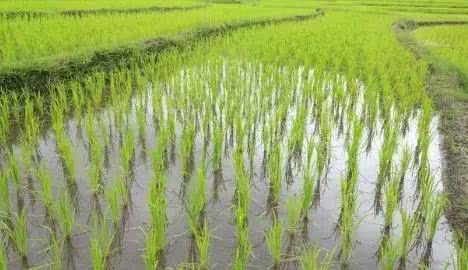
The direct impact of a low percentage of earbearing tillers in rice is a decline in rice yield, and there are also many reasons for a low percentage of earbearing tillers in rice, so here we will analyze them together with everyone.
First, let us look at what the percentage of earbearing tillers in rice is.
The percentage of earbearing tillers in rice refers to the number of effective panicles of rice as a proportion of the number of tillers at the peak tillering stage of rice; this number is the percentage of earbearing tillers in rice. Simply put, it is the proportion of rice panicles that can be used for seed, rather than being shriveled, among all rice panicles. There are many reasons for a low percentage of earbearing tillers in rice, and they are briefly analyzed below.
From the calculation method of the percentage of earbearing tillers, we can see that the main reason for a low percentage of earbearing tillers is that rice has too many ineffective tillers.
What causes too many ineffective tillers?
First, ineffective tillers are those rice tillers that cannot head normally or have too low a seed-setting rate. There are many factors affecting tillering; nutrients, light, water and so on all affect the tillering of rice. During the rice seedling stage, because the planting density is too high, the nutrient supply to rice seedlings is insufficient, causing the tiller buds of rice seedlings to become dormant. These have a very large impact on the later growth of rice and easily cause the later tiller nodes of rice to develop incompletely, thereby leading to an increase in ineffective tillers in rice.
Unsuitable temperature during the rice tillering growth period also affects the effective tillering of rice. The most suitable temperature during the rice tillering period is around 30°C to 32°C. Sufficient light is also beneficial to rice tillering. If rice encounters long-term rainy weather after turning green, rice tillering will be affected. In addition, when the paddy field has sufficient water and sufficient nutrients, tillering will naturally be better, and the ineffective tillers produced will naturally be somewhat fewer.
Another reason for a low percentage of earbearing tillers in rice is that there are many ineffective panicles in rice, that is, the ineffective panicles of rice generally have fewer than 10 grains, or there are too many empty and shriveled rice panicles. The main reason for many ineffective panicles in rice is excessive application of nitrogen fertilizer.
Excessive application of nitrogen fertilizer causes excessive vegetative growth in rice, but root growth is not ideal, and later the nutrient supply to rice is insufficient, causing empty grains to form in rice. Excessive use of nitrogen fertilizer also causes lodging in rice.
Finally, let us talk about how to increase the percentage of earbearing tillers in rice.
First, during the rice seedling-raising stage, it is necessary to ensure sufficient fertilizer and cultivate strong seedlings. Second, according to the characteristics of different rice varieties, plant at a reasonable density to ensure the nutrients, water and light needed for normal rice growth, so that the nutrient supply is sufficient and tillering is normal. In addition, fertilize reasonably; not only should basal fertilizer be valued, but even more attention should be paid to fertilization in the later growth stage of rice, increasing the application of panicle fertilizer to promote rice tillering and earbearing.