What are the signs of a succulent being in sub-health? Take a quick look at your own succulents
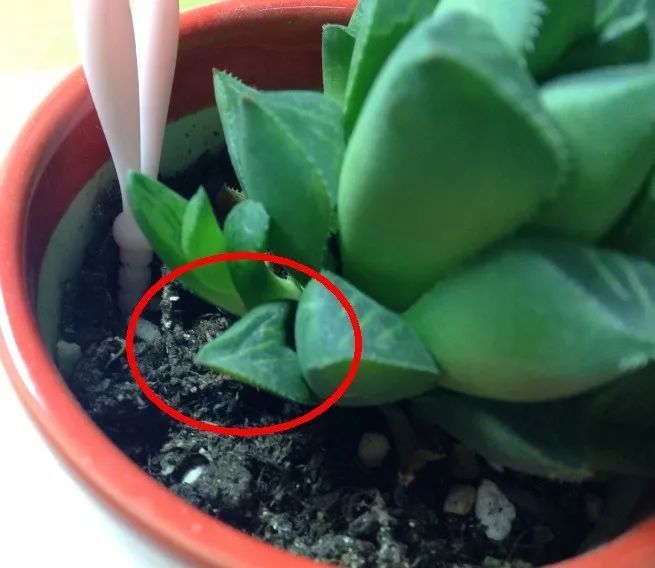
In our everyday care of succulents, we can actually tell whether they have been growing healthily during a given period simply by observing their appearance. If your succulents show these four conditions, it means they are already in a "sub-health" state and need timely treatment.
Wrinkled leaves
Healthy succulent leaves are thick and plump. If your succulent leaves start to wrinkle, in most cases it is caused by lack of water. At this point we need to give them more water; when watering, water thoroughly until you see water flowing out of the drainage holes, and after two or three days of recovery, the crumpled leaves will become plump and springy again.
Withered lower leaves
If the leaves at the base of your succulent gradually wither, this basically rules out a lack of water. This is the succulent telling you that it is starting to grow and age, and we simply need to wait for them to wither and then promptly remove these aged leaves.
Leaves turning transparent
When we see succulent leaves starting to turn yellow and transparent, we need to pay extra attention. This mostly happens during the dormant summer and the slow-growing winter.
The biggest cause of this phenomenon is that we water too much, which bursts the cell walls of the leaves, and the leaves begin to turn to water and become transparent. When this happens, we need to remove the transparent, water-soaked leaves, then move the succulent indoors to a well-ventilated place, and stop watering it for a short period.
Stems growing tall
If your succulent stems keep growing leggy and sprawling, starting to look deformed and ugly, it means we have failed on two key factors: watering and light.
Too much water and insufficient light will cause succulents to grow leggy. In this case, we can move the succulent to a place with plenty of light. If the succulent's original growing environment had insufficient light, do not put it directly in full sun all at once; instead, start mainly with indirect scattered light, then gradually increase the light.
When caring for succulents in our daily routine, we can give them a little checkup based on these four main aspects, and deal with any problems promptly, so that our succulents will grow up healthily!
If you also enjoy growing flowers and plants, then follow us!