Pilea peperomioides has plump, fleshy leaves and makes a unique potted plant, and it is easy to care for and propagate
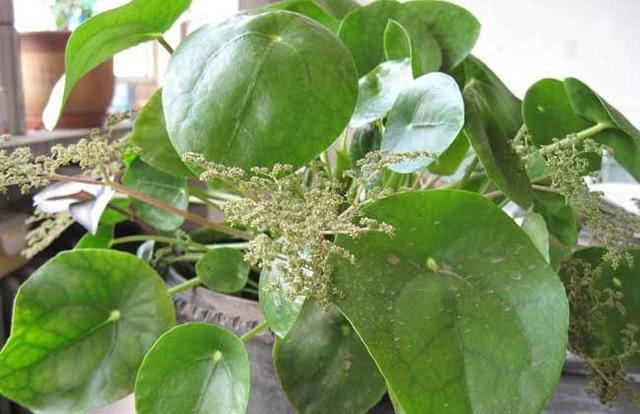
Pilea peperomioides is a perennial herbaceous plant with round, plump leaves attached by slender petioles, resembling an ancient mirror, which is how it got the name "mirror plant". It is often seen in southern China, and the plant is small in size, making it very suitable for growing in a small pot and displaying on a desktop for viewing. Now let us take a look at its characteristics and what points need attention in its care.
I. Growth characteristics
Pilea peperomioides mainly grows in shady places, and its shade tolerance is not too poor, so indoor diffused light is enough for its growth. Its growing environment temperature is between about ten-plus degrees and twenty-plus degrees; temperatures that are too high or too low will affect the luster of the leaves and may even cause leaf drop, leaving only bare petioles. Moist soil is its favorite, so potted Pilea peperomioides can be planted in nutrient soil mixed from leaf mold, soil, ceramic pellets and the like. This kind of soil not only has extremely high drainage but also decent fertilizer retention.
II. Points to note in care
1. Pests and diseases. The common diseases of Pilea peperomioides are none other than anthracnose and leaf spot. Although anthracnose is a common disease in plants, its harmful capacity should not be underestimated, so once it is found, measures must be taken immediately to contain the spread of the disease; the most effective method is chemical control. As for insect pests, generally only scale insects appear. These are common insects that are not difficult to eliminate, and there are many ways to eliminate them. Besides spraying chemicals, physical elimination methods such as mosquito coils and soapy water can also be used.
2. Fertilizing. The leaves of Pilea peperomioides grow very quickly, even without nutrient supplementation. If you want it to grow more densely, you can appropriately add some fertilizer, but there are two things to note when adding fertilizer, namely concentrated fertilizer and heavy fertilizer, which Pilea peperomioides greatly dislikes. Pilea peperomioides has two growth stages, and during these two stages the fertilizer addition must be well controlled; it is best to apply small amounts multiple times gradually. So then, when are these two stages? They are spring and summer. Soil fertilizer can make the plant grow more densely, and leaf fertilizer can make the color of its leaves look more brilliant.
3. Humidity. From the fact that Pilea peperomioides likes to grow in wet places, it can be seen that it likes a humid environment, but it does not like soil with too much water, so when potting it, pay more attention to the moisture level in the flowerpot. If the surrounding environment is too dry, its leaves will droop and wilt, losing the vitality of growth, and may even develop yellow leaves, leaf drop and other conditions. To alleviate this situation, increasing environmental humidity is very important work.
III. Small propagation methods
1. Sowing. Sowing is the simplest and most direct method. The seeds of Pilea peperomioides are very small, so when sowing, do not bury them too deep, otherwise it will be very difficult for seedlings to emerge.
2. Division. Division is done at the base or stem nodes of Pilea peperomioides by cutting off the fibrous roots, and the branch must have at least three leaves. Plant the branch into nutrient soil, cover the surface with a layer of transparent plastic wrap, and remember to poke holes in it; try not to let sunlight shine on it. Generally, it takes about ten days to see signs that the branches and leaves have survived. Division is best carried out during the growing season, which can greatly increase the survival rate of Pilea peperomioides.
This fleshy Pilea peperomioides, do you like it? Do you want to grow it?