This highly toxic flower has glossy green leaves, absolutely do not keep it at home
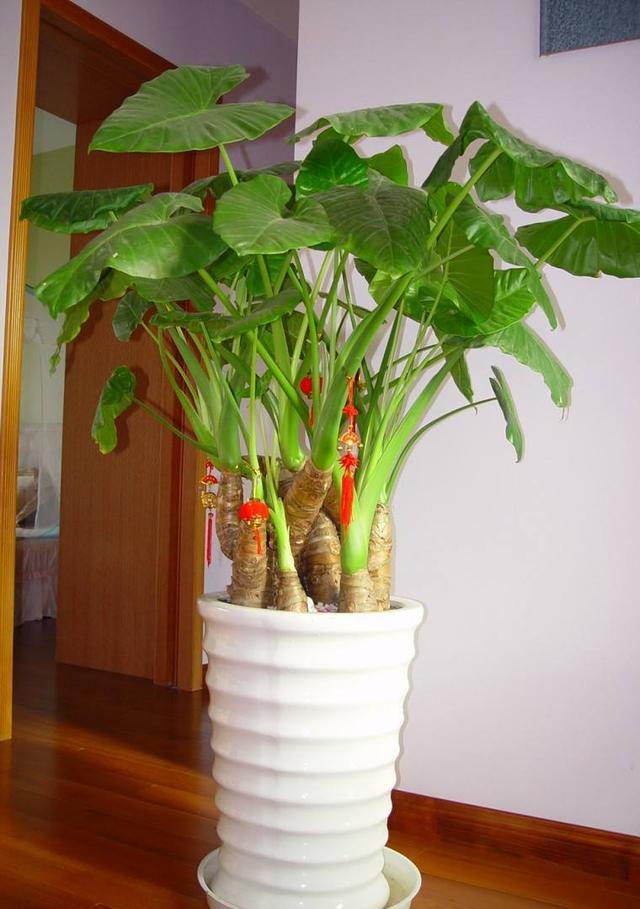
Now that living standards have improved, growing some flowers and potted plants has become part of elevating the quality of life. Of course, flowers and potted plants are not expensive, but growing flowers can make the home more beautiful and also lift your mood. In addition, some flowers can purify the air, and the indoors will become clean and fresh. However, not every flower and potted plant in the flower market is suitable for keeping at home. For example, take the flower introduced below: even though the entire plant is "highly toxic," quite a few people still grow it. Do they really just think it looks nice, without caring about their family's health?
This flower is a typical foliage plant, the "dumb cane" (Dieffenbachia, also known as Alocasia odora "Dripping Guanyin"). According to the vendors in the flower market, this plant's leaves are glossy green all year round and it is very easy to grow. Normally you do not need to do much with it, just water it, and it will not yellow, making it very suitable for the living room. These flower shop owners all want to sell you the flowers, yet few of them mention this plant's downsides. The dumb cane, although it is a foliage potted plant with high ornamental value, has shortcomings that we who grow flowers must pay attention to.
The dumb cane is actually not its real name; the reason it is called this is entirely due to "commercial behavior." What a nice-sounding name "Dripping Guanyin" is! It was originally called "hai yu" (Alocasia odora), a perennial herbaceous plant of the genus Alocasia in the Araceae family. This plant can be said to be toxic in its entirety. Whether it is the rhizome, the leaves, or the fruit, all contain toxins. You cannot even touch it. Skin contact with the sap of the dumb cane causes pain, redness and swelling. If the sap gets into the eyes, it can also cause fairly serious conjunctivitis. If there are children at home and they eat its fruit, that is even more dangerous!
Although the dumb cane is highly toxic, quite a few people still keep it in the living room. Here, I still suggest that flower lovers who are growing it indoors move it out as soon as possible. Growing it outdoors is better than indoors. Some flower lovers may say, I grow it not only to admire the leaves, but also to let it absorb indoor dust and purify the air! As a matter of fact, the dumb cane's purifying ability is really ordinary; in this respect it is not as worthwhile as growing a few pots of pothos or spider plant.
Besides the dumb cane not being suitable for growing indoors at home, there are also some "toxic flowers" that should not be grown. For example, the common poinsettia, oleander, Gelsemium elegans, datura, tulip, heartbreak grass (Gelsemium elegans) and so on. Finally, let me say this: what plant is not good to grow at home, why must you grow these toxic ones? There are so many beautiful flowers, and plenty of plants with auspicious meanings too: lucky bamboo, happiness tree (Radermachera sinica), peace lily tree (Pachira aquatica), and clivia, any one of which is better than the flowers above.
That is all for the knowledge about growing flowers; thank you for reading! If you see this article, I suggest sharing it with people around you who grow flowers, especially those with children at home. There have previously been incidents of children accidentally eating dumb cane seeds and being poisoned, so you must be careful.
Remember to like and share!