The Portulacaria afra is the "golden branches and jade leaves" - keep one pot and all your neighbors will envy you, and you'll regret not knowing about it sooner
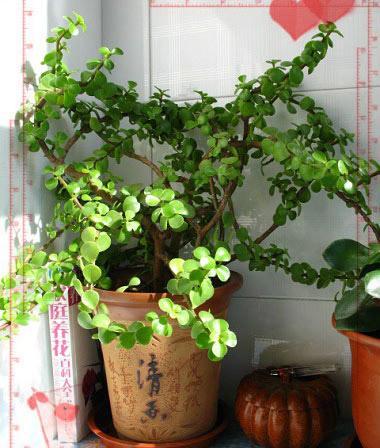
More and more people are growing flowers and plants these days, and it has clearly become an indispensable part of life. I'm someone who especially loves growing flowers - even though I can't always grow some of them well, I always care for them attentively, so my flowers turn out a little better than my neighbors'. And besides the flowers from the flower market, I also like growing wild flowers, such as wild morning glories and so on. A few years ago I happened to dig up a "Portulacaria afra," and at the time I didn't know it could be made into a bonsai. Later, through continuous growing and pruning, it actually became a beautiful bonsai.
Because with a plant similar to purslane, it only existed in my memory - when I was little in the countryside, I often ate it as a wild vegetable. I thought this pot I was growing was purslane too, but later I discovered it wasn't that wild vegetable at all, but a "perennial herbaceous plant" in the purslane family. Portulacaria afra and purslane are not the same thing at all. One is perennial, the other annual. Purslane can't be grown into a bonsai, but Portulacaria afra can, and its ornamental value is very high.
I feel very lucky that I've grown my Portulacaria afra more and more beautiful. A while ago, a neighbor came over to chat and spotted this small-leaved, small-branched bonsai on the balcony, saying it was very expensive. I casually said I dug it up in the wild a few years ago and had grown it for several years to get it to this state. As soon as the neighbor heard that, they said that's amazing - this is the beautiful "golden branches and jade leaves"!
Golden branches and jade leaves - it was the first time I'd ever heard such a beautiful name. The neighbor said this plant looks a lot like the jade plant, but is worth much more than it. Keeping golden branches and jade leaves at home carries a good meaning too, symbolizing "family harmony and a happy life."
Golden branches and jade leaves are generally rather rare in the flower market, and the reason for this is also that its value is relatively high and it's not easy to care for. Wanting to grow it into an "old stump" is even harder. Without several years of experience and time, the stem won't become woody, and you simply can't grow an old stump. In my view, wanting to grow Portulacaria afra (golden branches and jade leaves) into an old stump isn't without its tricks. First, you need to give it a good potting soil environment. Mix leaf mold, pine needles, manure and garden soil together - this kind of nutrient soil is best for its growth.
In addition, caring for Portulacaria afra requires supplemental nutrients. Especially in the early stage of the stem becoming woody, none of the nitrogen, phosphorus and potassium elements can be missing. It's recommended that during its peak growing season, in spring and autumn each year, you apply more nitrogen fertilizer and also supplement with monopotassium phosphate liquid fertilizer. For nitrogen fertilizer, you can use fermented soybeans and, after fermentation, bury them directly in the potting soil. Monopotassium phosphate can be diluted with water and poured on. Grow it this way for two or three springs and autumns, and it will quickly become woody, making it easier to form a bonsai shape.
That's all for sharing about Portulacaria afra (golden branches and jade leaves). Thank you for reading!
Remember to like and share