Use rice water to water flowers - no yellow leaves all year round, every leaf bright and shiny, practical
These days, growing flowers has become a part of life, after all, potted flowers can bring color and joy to life. Many flower lovers have been growing flowers for decades, and you could say they treat their flowers like treasures. This little thing called flower growing, although very common, is actually a skilled job. There are always people who can't keep them alive, and there are always those who grow their flowers more and more thriving.
When growing flowers, most people know how important watering is. Because watering takes three years to master - if you don't water well, yellow leaves and root rot will come for you. That said, watering also has its tricks. For example, experienced flower lovers never use tap water to water their flowers; these days, using "rice water" is the way to go! Whatever you grow, it thrives.
Of course, using rice water to water flowers also has some rules - you can't just use it carelessly.
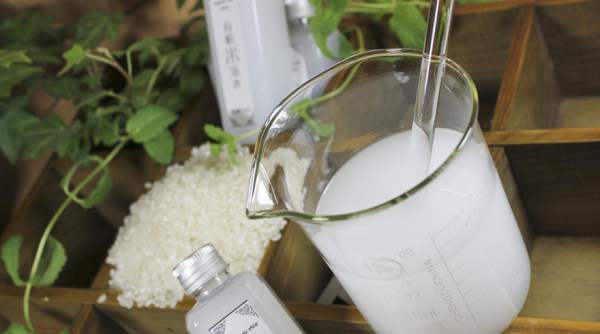
Rice water is the most common kind of household wastewater in life; people often just pour it out after washing rice. Actually, that's a waste - used to water flowers, it's a treasure for growers. Why is that? First, there is potassium on the surface of rice, which has been scientifically confirmed. When you wash it with water, the potassium naturally stays in the water. Second, rice water also retains some grains of rice, which after fermentation are also good for flower growth. Third, after fermentation, rice water has an acidic pH, which can adjust the pH of the potting soil and make it slightly acidic too. This in turn benefits the growth of flowers that like acidic conditions.
For common potted flowers like clivia (Clivia miniata), spider plant (Chlorophytum comosum), pothos (Epipremnum aureum), gardenia (Gardenia jasminoides), and Christmas cactus (Schlumbergera), among their growing habits, the soil is best kept acidic; when the potting soil becomes alkaline, it hinders the flowers' vigor, causing yellow leaves, spots, and shriveled roots. So rice water is perfect for watering these flowers!
Of course, you can't just water flowers with rice water carelessly. Before it has fermented, it counts as "raw fertilizer water." Raw fertilizer water means fertilizer that hasn't been fermented. When raw fertilizer is poured into a flower pot, the result is burned roots, followed by yellow leaves and death.
Fermenting rice water is very easy: put it into a mineral water bottle, seal it well, and just leave it in the sun for two weeks. Don't screw the bottle cap on too tightly. Some flower lovers might say that once rice water ferments, the smell is really unpleasant. Don't worry - if you find the smell after fermentation unpleasant, you can get a bit of orange peel and toss it into the bottle. Of course, if there is no odor, that means fermentation isn't finished yet, and at that point you cannot use it to water flowers.
The pothos in the picture above has leaves that are both bright and large - this is the result of using rice water to water flowers over the long term. Watering with rice water can completely replace tap water. Of course, when using rice water, remember to "dilute it with water" - don't burn the roots of your flowers and plants because the concentration is too high. The more diluted the ratio, the better. You can water flowers with 1 part fermented rice water mixed with 10 parts tap water.
That's all for the knowledge about watering flowers. Thank you for reading!
Remember to like and share~