When the weather turns cool, avoid watering with these 2 kinds of water, or root rot and yellow leaves will come fast
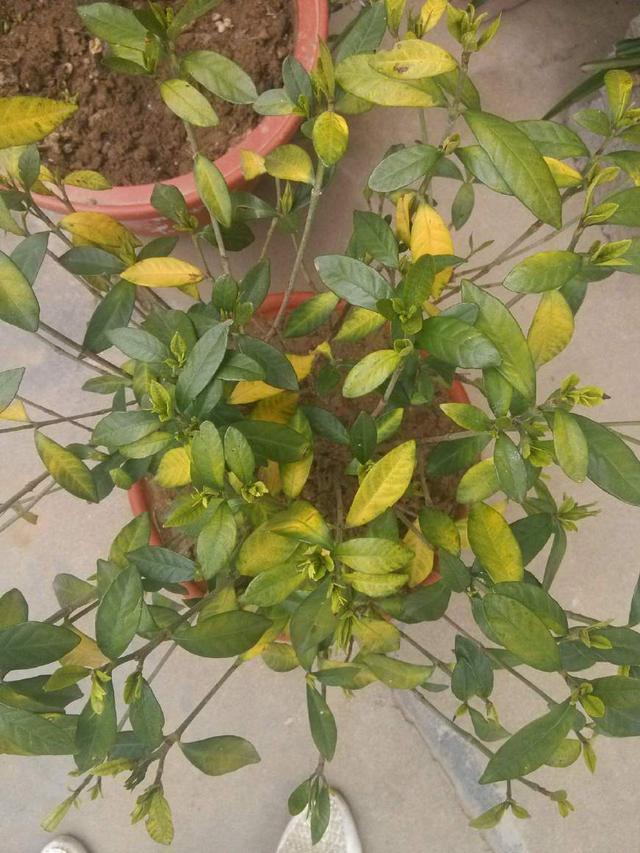
As the weather gets cooler and cooler, flowers and plants also become easier to care for. Although the crisp autumn weather is the peak growing season for most potted flowers, the more this is the case, the more care is needed in growing flowers. Because neglecting any small detail in flower care easily leads to yellow leaves, root rot and dead branches. So what issues should be noted when growing flowers in autumn? Next, Potted Plant Tips shares with you some details about "watering flowers" in autumn. After the weather turns cool, these "2 kinds of water" must not be used to water flowers, otherwise they will cause root rot and yellow leaves; water one pot and one pot dies.
Half-way water must not be used to water flowers
The so-called "half-way water" means stopping watering halfway through. When growing flowers in autumn, many flower growers make this mistake. Because they feel that in summer, when plants transpire heavily, watering has always been plentiful and frequent. Now that the weather is not hot, they think they should water less, or not water at all. Even if they do water, the amount each time is not enough, and it often becomes "half-way water." The moisture in the flowerpot stops in the middle of the pot. This kind of water absolutely must not be used in autumn. Otherwise, it will cause the roots in the flowerpot to be unable to absorb water at the bottom, making them shrivel and rot. Over time, yellow leaves and dead branches will naturally occur.
Unfermented fertiliser water must not be used to water flowers
The "fertiliser water" mentioned here refers to the rice-washing water and boiled soybean water that flower growers often use when growing flowers. They are all tricks for growing flowers and are very helpful for the robust growth of potted flowers, since both are used as organic fertilisers. Moreover, when these two are poured into the flowerpot, they will also make the pH of the potting soil slightly acidic, which is beneficial to the growth of flowers. However, if these two kinds of water have not undergone external fermentation, then when they are poured into the potting soil and ferment there, they will release a large amount of heat, directly burning the roots of the potted flowers; the roots will rot, and the flowers will be half-dead.
What should be done after Gardenia, Jasmine and other flowers develop yellow leaves?
Flowering plants are very prone to yellow leaves, because part of the plant's nutrients must be supplied to the flower buds. Unlike foliage plants, flowering plants require more comprehensive care. After yellow leaves appear, do not panic; measures must be taken promptly. For example, first stop fertilising, then check the cause of the yellow leaves and treat the root cause. Generally, yellowing leaves in autumn are mainly caused by a lack of nitrogen, phosphorus and potassium. Therefore, if a trend of yellow leaves is found, early on use a "monopotassium phosphate" solution diluted with water and spray it on the leaves of the flowers. This can stop the spread of yellow leaves; applying it once a week will also gradually turn the yellow leaves green again.
That is all for the knowledge about growing and caring for flowers in autumn. Thank you for reading! The weather has turned cool, so flower growers should remember to add clothes when going out.
Remember to like and share~