What to do when gardenia leaves turn yellow? Care for it this way for full blooms
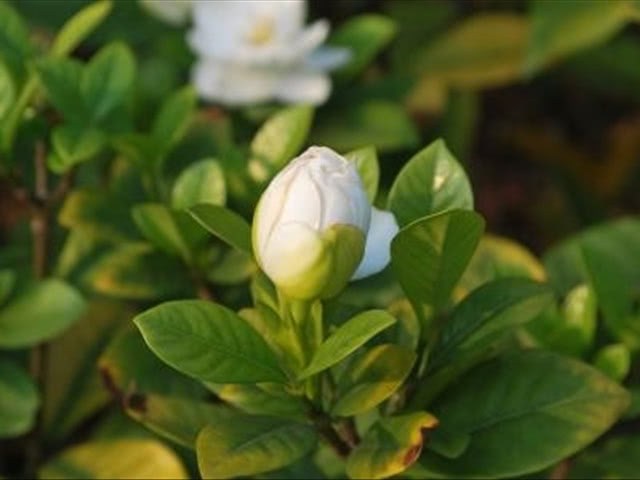
Original title: Care for gardenias this way to avoid yellow leaves and get full blooms!
Summary: As we all know, potted gardenias only need attention to a few things to keep your gardenia from developing yellow leaves and to ensure your gardenia blooms abundantly. I believe many flower lovers, after growing many flowers, eventually pick out the most fragrant flower, which may not necessarily be the gardenia, but if asked to pick the most beloved mirror flower, then naturally many people would choose the gardenia, and the gardenia's blooms are very beautiful, pure white and lovely flowers with a faint fragrance that you never tire of smelling no matter how long.
Soil
Gardenias can be grown all over the world, whether in the ground or in pots, so how should gardenias be cared for to bloom more easily? When planting gardenias, we must pay attention to the choice of soil. We all know this plant prefers acidic soil. When mixing soil, we can add some compost soil, mud, peat soil and organic fertilizer soil, which can increase the soil's acidity and also maintain the soil's air permeability and drainage. We should also choose some soil with fertility. If the soil becomes alkaline, we can apply some ferrous sulfate solution.
Moist environment
The environment for caring for gardenias also needs attention. This plant prefers a warm and humid environment, but the care temperature generally must be above 4 degrees. The care environment should be one with plenty of sunlight, and in summer it is best to place it in diffused light, because the summer sun is quite harsh, and ventilation must be maintained. In the afternoon, we should provide shading to avoid the air being too dry. If the air is too dry, we can spray some water to increase humidity.
Dormancy
In winter, avoid high temperatures during care, generally keeping it between 5 and 15 degrees is best, to avoid temperatures that are too high affecting the gardenia.
Dormancy is not good for blooming the following year. These flowers also need proper fertilizer and water during care. Gardenias need sufficient fertilizer and water to grow better, so we should choose to keep the soil moist. In summer, we can wait until the potting soil is dry before watering again, but when watering, a key step must be taken, and we can spray some water around the gardenia, but we must avoid the temperature being too dry. During the gardenia's blooming period, we should reduce watering; frequent watering easily causes the gardenia's flowers to drop. And in winter we should keep the potting soil dry to avoid root rot from too much water, because in winter the gardenia is dormant.
Fertilizer
And for gardenias, proper fertilizer can make them bloom year-round, which also helps regulate the soil's acidity. If the soil is alkaline, it will cause the gardenia not to bloom. Also, when watering, we must avoid using too much water, which easily makes the soil alkaline. Regularly watering with some ferrous sulfate solution will improve the soil's pH. And during the peak growth season, we should apply light fertilizer to the gardenia twice every two months to ensure sufficient nutrients, and regularly give it some monopotassium phosphate to promote the gardenia's blooming.
Conclusion: So this method of caring for gardenias is actually quite simple, and caring for them this way can avoid yellow leaves and produce full blooms. If you have a gardenia at home, you can also grow it according to this method.