When fertilizing flowers, avoid these 3 kinds of fertilizer, or root rot and yellow leaves will come quickly
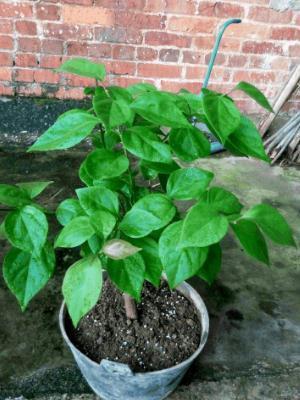
As part of daily life, potted flowers are being grown by more and more people. Placing flowers at home can not only beautify the environment but also lift your mood. In the process of growing flowers, although there are some tips and tricks, the key is still to care for them with your heart. A lazy person will never grow flowers well. As for the secrets of growing flowers, in the end you still have to follow some flower-growing principles. For example, "three parts fertilizer, seven parts water." Although watering is very important, the importance of fertilizing is self-evident. Next, I will share some knowledge about fertilizing with fellow flower growers.
Any fertilizer can be used to grow flowers, except these 3, otherwise yellow leaves come fast and root rot comes fast
The first kind of fertilizer: raw fertilizer. This kind of flower fertilizer, plainly put, is one that has not been fermented and decomposed, such as some chicken and duck manure, barnyard manure, and soybean cake fertilizer. As well as the rice-washing water often used to water flowers. If it has not been fermented, it can all be called "raw fertilizer." The drawback of raw fertilizer is that after it is placed in the flower pot and then ferments, it will give off a lot of heat, causing the temperature inside the potting soil to rise, directly burning the flower's root system, and root rot and yellow leaves follow. So you must never use raw fertilizer to grow flowers.
The second kind of fertilizer: concentrated fertilizer. Growing flowers stresses "thin fertilizer applied frequently." Although many fellow flower growers know this in their hearts, they often cannot judge the amount of fertilizer. If the fertilizer is too concentrated, it will directly burn the flower's root system. Root rot is then unavoidable. When fertilizing flowers, you should also observe the growth stage the flower is in. If it is in the peak growing season, it will be a bit better, but if you apply concentrated fertilizer during the dormant period, then the flower will surely die. Withered leaves and withered branches will appear the next day. So fertilizer must be applied sparingly, following the principle of small amounts applied many times.
The third kind of fertilizer: chemical fertilizer. This kind of flower fertilizer belongs to "inorganic fertilizer." Its advantage is that the various trace elements are relatively balanced. For example, if the flower's leaves are no longer glossy, then use more nitrogen fertilizer; if it blooms late or does not bloom, then use more phosphorus fertilizer and potassium fertilizer. But the drawbacks of chemical fertilizer cannot be ignored. That is, long-term use will lead to "potting soil compaction." It will also make it impossible for the potting soil's nutrients to be retained for long. Over time, chemical fertilizer is no longer considered a good flower fertilizer. For growing flowers, organic fertilizer is still the most suitable. For example, fermented soybean fertilizer, barnyard manure after fermentation and sun exposure, and so on.
That is all for the knowledge about fertilizing flowers. If you have better flower-growing experience, you are welcome to share it in the comments below so that more fellow flower growers can see it. Of course, if you encounter some problems in the process of growing flowers, you can also comment, and I will answer them one by one! Finally, thank you for reading, and I wish your flowers grow more and more vigorously. Also, the weather is turning cold, so fellow flower growers, remember to add clothes!
Remember to like and share~