8 benefits of using coffee grounds for plants, easily get green fertilizer
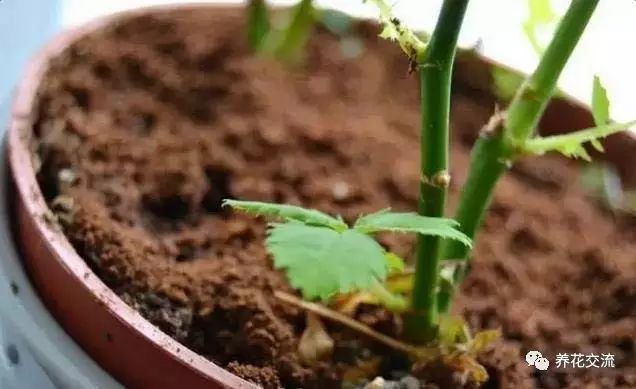
Coffee grounds can be used for growing plants. They contain a large amount of nitrogen compounds and are very suitable for plants that like acidic soil, so using them as fertilizer for flowers that prefer slightly acidic soil can achieve twice the result with half the effort.
Coffee grounds must be fully decomposed before they can be applied as fertilizer, otherwise they will not only fail to provide fertilizer efficiency, but will also burn the roots. Coffee is also an agricultural product. Although it undergoes processes such as roasting, its basic nature remains unchanged, and it is also suitable for making compost.
1. How to get coffee grounds?
Coffee grounds can be obtained from some coffee shops, or coffee grounds will be produced after grinding and roasting coffee beans you buy yourself. After brewing coffee with a coffee machine, there will be a lot of coffee grounds. You can buy coffee powder, and after brewing it there will be a lot of grounds.
(Of course, you can also ask the coffee shop owner directly for them. They are very happy to give them to you, thinking that these are useless waste materials for them.)
(Coffee shop promotion)
2. Improve plant nutrition
Coffee grounds contain 2% nitrogen, but plants cannot decompose it. If it is thrown directly into the soil, natural decomposition is very slow, and the decomposition process generates heat, which will burn the plant roots. So it is generally sealed and fermented first, then mixed into the soil. Only in this way is it beneficial and harmless.
Coffee grounds also provide other basic nutrients, such as phosphorus, potassium and other nutrient elements, as well as a small amount of magnesium and copper. Potassium, magnesium, and copper elements can also make plants grow more healthily. These are all trace elements necessary for plant growth.
3. Coffee grounds in the soil
The effect of coffee grounds is still quite good. They can lower the pH value of the soil and make the soil slightly acidic. Laboratory analysis shows that coffee grounds are slightly acidic to neutral, and have a slight effect on soil pH.
5. Promote seed germination
Adding coffee grounds to the soil can also improve seed germination, allow plants to grow better, and more effectively prevent plant disease infections, such as wilting, fungal rot, and outbreaks of some bacterial pathogens.
6. Coffee grounds compost
You can mix 20-25% coffee grounds into compost. This requires accumulating them for a period of time to have that much. If you add too much, it will inhibit beneficial microorganisms, so do not add too much. Other compost materials can choose grass clippings, dry hay, fallen leaves, fruit peels, and kitchen waste, etc.
Mixing coffee grounds with dead leaves and dry hay makes an excellent compound fertilizer, and can also prevent the roots from attracting insects.
After fermentation, mix it with soil again, and do not pour it directly into flower pots, because only after fermentation can it become nutrients that flowers can absorb. The heat generated during fermentation will burn the flowers to death.
Accumulate coffee grounds to a certain amount, mix them into the soil, pour on some water, and cover tightly with a plastic bag. After one quarter, it will be completely fermented.
7. The mulching effect of coffee grounds
Coffee ground mulching has become popular because they prevent pests and pets from taking them away, prevent weeds, and claims of soil aeration.
Spreading coffee grounds on the soil surface can prevent slugs and snails from intruding, also keep your pets away from plants, also prevent weeds from growing wildly, and also increase soil aeration.
Of course, only spread a thin layer. If you put too much, it is very easy to harm the plants. A coffee ground layer of about 1 cm is enough, and it is not very suitable for potted plants. It is more suitable for ground planting.
8. What plants like coffee grounds?
Apply fertilizer to plants that like nitrogen compounds and most evergreen plants and allium plants.
Scatter coffee grounds into the flower pots of acid-loving plants grown at home, such as azaleas, roses, camellias, Aglaia odorata, etc., which can help them bloom more beautiful and brighter flowers.