These two bonsai are truly amazing: stick 1 leaf in the soil and in 5 days it grows into a pot of flowers
Many people have become very lazy nowadays. They want to grow plants and flowers, but they feel they still have to go to the flower market to pick and choose, and if they choose poorly the plants will die. Such a troublesome thing makes them give up the idea of growing flowers, but now there is a leaf-cutting method that will save you time and effort, and it will not kill your flowers. Instead, it will make your flowers grow better and better. Moreover, this method is very simple and treats everyone the same. It is not something only experienced people can do; even people who have never grown plants or flowers before can succeed. Next, I will introduce several methods of leaf-cutting propagation for flowers!
1. Leaf-cutting propagation of the African violet
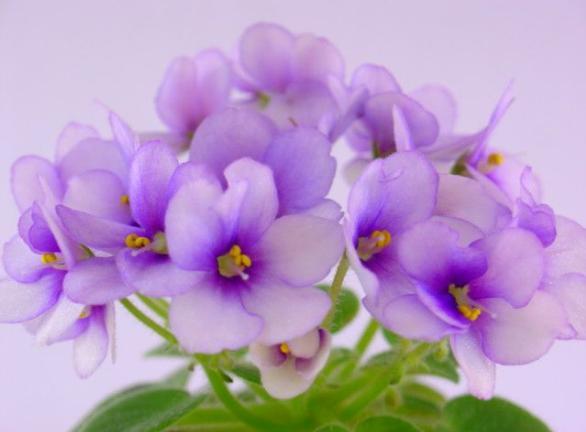
I do not know if you have seen an African violet. This plant is very small in size, and the flowers it blooms are also very small and delicate, looking very unique and pleasing to the eye. Moreover, African violets like to live in relatively shady environments, so we can place them in our rooms, in any corner, and they will make the room look different. First, we choose a healthy, plump leaf and pick it off. Be careful to pick it off together with the stem. According to the number you need to grow, pick the corresponding leaves.
Then we need to let the wound on the leaf dry, and prepare for cutting. Next, we need to choose a good flowerpot and soil. As for the flowerpot, it is best to use a rectangular one. A basin is not recommended, because this kind of leaf cutting needs a container with a large opening. The soil we prepare also needs to be nutrient-rich and have sufficient water content. If it does not meet the requirements, we can also solve this by watering more later. After preparing these, we can wait for the leaves to take root and then transplant them.
2. Leaf-cutting propagation of snake plant
Snake plant is also a plant very suitable for leaf cutting. The snake plants we have seen definitely have very large and thick leaves, and the leaves are not in a regular shape. They have a bit of a wavy feel, making it a very wild plant, and its leaves are emerald green. The overall impression it gives is that of a very vibrant plant. If this plant is propagated by leaf cutting, it will survive very easily.
First, we cut off a section of a snake plant leaf. Because snake plant has no stem, its leaves are directly connected to the roots, so we can just cut a leaf from the lower one-third of the leaf. Insert the cut leaf into sandy soil. This is because snake plant leaves need to breathe and then produce a series of chemical reactions to take root, so the soil must be breathable.
When we do leaf cutting, we need to maintain a constant temperature, about between 17-25°C, so that snake plant will take root very quickly. Before leaf cutting, we usually also apply some flour to the wound of the snake plant before inserting it. This is mainly to prevent bacterial infection, because the wound of the plant is very easily infected by bacteria, especially after direct contact with the soil, so we need to apply some flour to prevent it.
Actually, there are many other plants suitable for leaf cutting. I will not introduce them one by one today, and will only introduce these two typical plants: one with roots and stems, and one without, with only leaves inserted directly. As long as you master the leaf-cutting methods for these two plants, you can complete other plants by simply following the same pattern. If you have any other questions, you are welcome to leave a message to ask me!