The neighbor's flowers grew more and more vigorously, and it turns out these 5 things were placed there
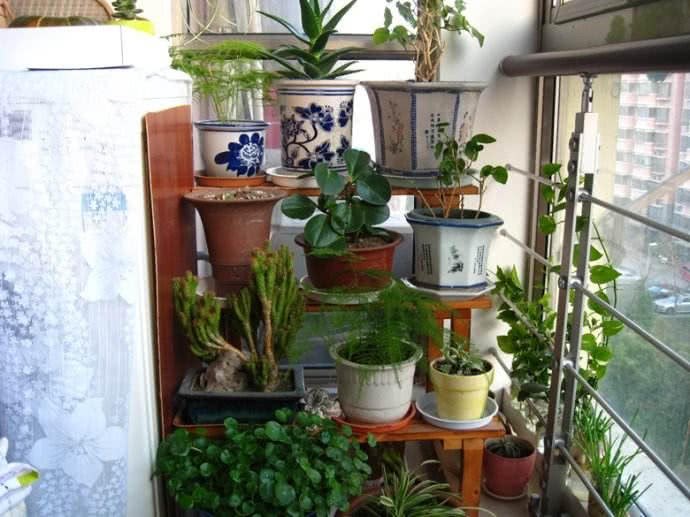
A few days ago, Huahua discovered something: why is it that with flowers grown at about the same time, the neighbor's flowers grow more and more vigorously while your own look like they have not eaten enough, growing slowly? After quietly asking around, it turns out the neighbor had done some clever work under the flowerpot, putting quite a few things in there.
Everyone who grows flowers knows that the core part of a flower is its roots. As long as the roots are grown well, the flower will basically not have major problems. The neighbor's flowers grow well precisely because the roots are thick and strong, and if you want the roots to grow well, stuffing these 5 things at the bottom of the flowerpot will definitely do the trick.
The first thing that can be stuffed in is charcoal. Charcoal itself has fairly good heat retention, and it is also relatively loose and breathable, which can to a certain extent provide some air circulation for the roots. Charcoal also has a mild sterilizing effect, so placing it at the bottom of the flowerpot can also kill pathogens and pests.
The broken bricks and tiles commonly seen every day are also a good choice. Because broken bricks and tiles have been on the ground for a long time, they are relatively moist themselves, so they can store water in the soil and ensure the roots can absorb nutrients. Broken bricks and tiles can also block excess water and prevent water from accumulating at the roots.
LECA (expanded clay pebbles) can not only be placed on the soil surface to serve a decorative role, but putting it at the bottom of the flowerpot is also a good choice. The material of LECA itself has many small pores and is water-repellent. It can prevent water from accumulating at the bottom of the flowerpot, and it can also help plant roots breathe and get air.
Placing pine needles at the bottom of the flowerpot can prevent plant roots from rotting. It is also a very ordinary thing in daily life, seen everywhere in the green belts of neighborhood parks. As everyone knows, the bottom of a flowerpot has a small hole. If this small hole is directly blocked with soil, breathability will be poor. Using pine needles is different: breathability is good and it also resists moisture.
The last one is dead willow branches. Dead willow branches are very helpful for plant root growth. The dead branches themselves contain salicylic acid, which can promote rapid rooting and sprouting, and also has a sterilizing effect. In addition, willow bark has relatively strong moisture resistance, which can to a certain extent block excess water from entering and avoid root rot.
Only then did Huahua realize that there are so many things that can be stuffed at the bottom of a flowerpot, and most of them are common items in daily life. It seems there really is a lot of knowledge in flowerpots. In fact, besides the above things, wood shavings, coal cinders, and the drainage layers that have become very popular in recent years are all good partners for flowerpots. They can all help plant roots grow to the greatest extent and prevent rot. I hope Huahua's little methods can also make your flower roots more robust.