Can't finish your taro? Plant it in a pot and in ten days it grows into a lush potted plant that even yields small taro
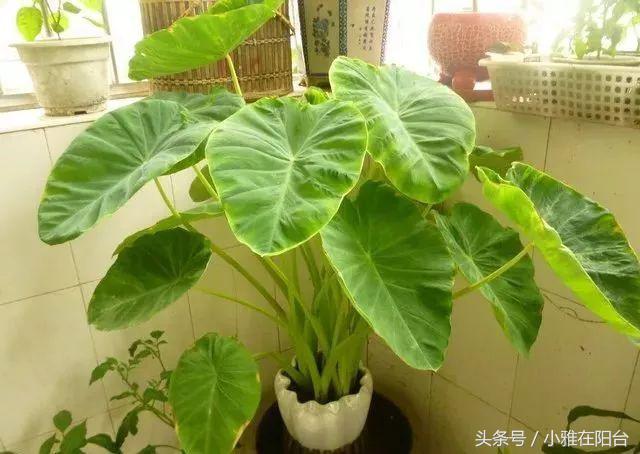
At home you can not only grow flowers but also grow vegetables, and growing vegetables is more practical and useful than growing flowers. Taro is nutritious, makes especially delicious braised pork, and its huge leaves are very attractive. It can be grown as a vegetable, and it can also grow into a potted plant, as beautiful as Alocasia macrorrhizos.
How to grow taro at home, and the tricks
Taro is very easy to grow; in fact it needs no careful management day to day, it thrives with rough, free-range care, it is not demanding about potting soil, water, fertilizer or sunlight, and it rarely suffers from pests or diseases. A taro bonsai you grow yourself can be enjoyed for months, and it is especially suited to growing a pot on the balcony.
Take the taro you bought from the supermarket, the taro your family cannot finish eating, or sprouted taro, and do not throw it away.
Prepare one or two empty flower pots. You can mix the potting soil yourself; you can use garden soil with some leaf mold or nutrient soil added. Add some coarse sand or coal cinder to the soil to increase air permeability.
Bury the taro in the soil with the tip of the sprout facing up, and after placing it, cover it with 5 cm of soil, then water it. You can put it on the balcony, or in the living room in a spot with indirect light. Often take it to a sunny place to sun it. If you have a pot at home that once held narcissus, growing it directly in water is also especially beautiful.
After the seedlings emerge, you can let it sunbathe, keep the potting soil moist, and water as soon as you see the soil is a bit dry; the potting soil must not lack water. Occasionally you can also spray a little water on the leaves. Taro loves water very much. No need to worry about watering too much.
Once the seedlings have grown a bit bigger, you can fertilize them; you can use fully fermented rice-washing water, or decomposed chicken manure fertilizer, cake fertilizer, or homemade organic fertilizer liquid, diluted and poured on once every half month. The taro leaves grow bigger and more numerous, and the growth is very pleasing.
Taro can grow to 1 m tall, with broad, large leaves, as beautiful as Alocasia macrorrhizos.
After enjoying it for a few months, small taro will also grow in the pot, and the leaves and stems of this taro are also edible. The taste is very good.