How to bag loquat fruit? A step-by-step guide to the correct method
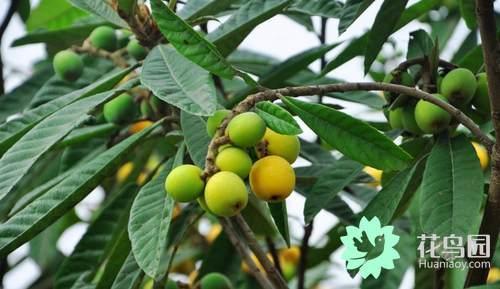
Bagging loquat fruit not only keeps the fruit looking good and reduces disease, but also protects it from being eaten by birds and prevents sunburn. So how do you bag loquat fruit? And what is the loquat bagging technique?
Early-maturing loquat fruit is already as big as a thumb in early January, so it can be bagged. Generally, some areas in Fujian Province and Guangdong Province are earlier, but in areas with frost, bagging can be done earlier to reduce losses caused by frost damage.
Before bagging, first thin out some of the still excessive lateral stalks of the fruit cluster. Usually, keep 2 to 3 lateral stalks per cluster, then remove diseased, insect-damaged, frost-damaged or mechanically damaged fruit, and then remove small fruit and densely clustered fruit, keeping the fruit in the middle that is swollen and slightly round.
For trees with vigorous growth, strong fruiting branches and many leaves, as well as the middle and lower parts of the canopy, keep appropriately more fruit; conversely, keep less. After fruit thinning, spray once with a mixture of fungicide and insecticide.
After spraying, wait for the solution to dry before bagging. Follow the principle of working from top to bottom and from inside to outside, handling gently. Do not touch the young fruit with your hands, to prevent fruit russeting on the surface, do not bruise the fruit and prevent fruit drop.
Open the bag mouth fully, support the bottom of the bag with your hand, and put the young fruit into the bag at a suitable position, preventing the fruit from touching the bag surface to reduce sunscald. After pulling the base of the bag tight, tie it firmly with nylon thread, or secure it with a staple. For each batch bagged, it is best to make a mark on the bag to distinguish early or late maturity, so it can be identified at harvest. If a paper bag is damaged midway, repair it promptly. Tear the bag off when picking the fruit.
Loquat bagging is generally done after the final fruit thinning is completed and before pests and diseases occur. The fruit bags used for loquat bagging are generally made from old newspapers, or from sturdy and durable parchment paper. The shape and size of the bag depend on the size of the fruit, generally rectangular. For a size of 20 cm x 13 cm, one newspaper can make 8 bags; for a size of 30 cm x 20 cm, one newspaper can make 4 bags. Waste magazine paper can also be used to make bags; one page of magazine paper can make 1 bag. Cut open the two top corners of the bag to allow ventilation and observation. When bagging, start from the top of the tree. The bag mouth can be tied with thin string or clipped with a paper clip. When bagging, be sure to make the bag bulge so the paper bag does not directly touch the fruit.
For fruit of different maturity periods, loquat bags should have different marks so that harvesting can be done in stages and batches when ripe. For large-fruit cultivars, fruit with a long stalk should have one small bag per fruit, and fruit with a short stalk should have one large bag per cluster.