Six Major Measures to Promote Flower Bud Differentiation in Fruit Trees in Summer
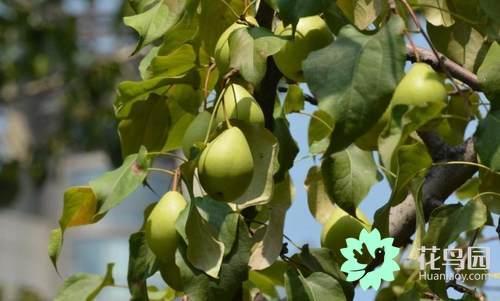
Summer is the period of flower bud differentiation for many kinds of fruit trees. The amount of nutrients accumulated in the tree and the quality of flower bud differentiation are closely related to the yield and quality of the fruit trees the following year. July and August are the hot, rainy season, which is suitable for vegetative growth of fruit trees. In particular, young trees in their first fruiting stage and mature trees bearing little fruit tend to produce excessive summer and autumn shoots. If left unregulated, this will cause nutrient loss, disrupt the tree shape, reduce fruit quality and at the same time affect flower bud differentiation. Therefore, during this period, in addition to normal soil, fertilizer and water management and pest and disease control, measures that favour flower bud differentiation should be taken according to different varieties and different tree vigour, so as to regulate tree vigour and ensure a consistent, high and stable yield year after year.
1. Harvest fruit at the right time
For young trees or old, weak trees, fruit should be harvested early according to the specific condition of the tree vigour, to reduce the nutrient burden on the tree, help it recover its vigour and promote flower bud differentiation. For well-managed, high-yielding trees intended for full-ripe cultivation, harvest the fruit in stages to prevent the fruit from remaining on the tree too long, which weakens the tree and is unfavourable for flower bud differentiation.
2. Protect the leaves
Photosynthesis by the leaves provides the nutrition for flower bud differentiation in fruit trees. Summer drought and red spider mite outbreaks can both easily cause early leaf drop, so control should be given attention. Mulching the tree basin with green manure, weeds or rice straw can effectively inhibit soil moisture evaporation and lower the surface temperature. After heavy rain, spray fungicide promptly to prevent the leaves from being infected by pathogens and causing early leaf drop.
3. Foliar topdressing
After harvest, nutrients must be replenished promptly to restore tree vigour, ensure sufficient nutrients are supplied for flower bud differentiation, improve flower bud quality and enhance cold resistance for overwintering. Generally, spray vigorous trees with a 0.2%-0.3% potassium dihydrogen phosphate solution or a mixture of 2%-3% superphosphate and 0.3% urea; spray old and weak trees with a 0.3%-0.5% urea solution, once every 7-10 days, for 3-4 consecutive sprays.
4. Appropriate water control
For fruit trees such as apple, peach, plum and pear, after harvesting and applying liquid fertilizer, begin water control according to the weather conditions, until the leaves become lighter in colour and slightly curl or the surface soil shows fine cracks. If the drought is too severe, spray water on the leaves or splash water on the bed surface; 20-30 days of water control is sufficient. For trees fruiting for the first time and vigorous trees bearing little fruit, the water control period should be longer.
5. Root pruning and root exposure
For mountain orchards with low terrain and poor drainage or orchards with heavy, sticky soil, partial root pruning can be carried out in the early stage of flower bud differentiation, and for fruit trees with shallow root distribution, the roots can be exposed by digging away the soil around the root crown and exposing the roots for 20-30 days. For fruit trees whose flower bud differentiation period is after October, take care to prevent frost damage: dig away the soil in the morning and cover it back with soil and straw in the afternoon.
6. Regulate tree vigour
For excessively vigorous trees, generally spray 150-200 times diluted paclobutrazol solution or 250 times diluted PBO once each in early and mid-July. For young, excessively vigorous trees that bear no fruit or little fruit, ring-barking of the main branches can be carried out in early July. At the same time, do a good job of summer pruning, focusing on removing upright vigorous shoots on the back, water sprouts in the inner canopy, competing shoots at the branch tips and useless branches that affect light, and twisting, bending and softening or pulling down temporarily retained branches, so as to control excessive vigour, improve ventilation and light conditions, and promote fruit development and flower bud formation.