These 4 flower-growing tips everyone knows: spider plant, pothos and clivia all grow more and more vigorously
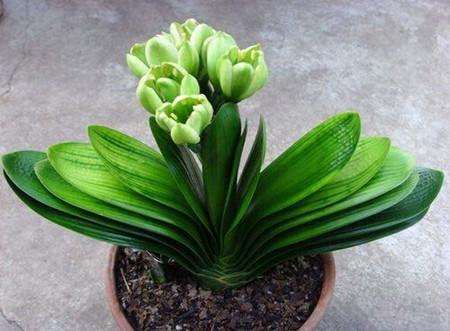
Spider plant, pothos and clivia, these three flowers can be said to be the ones flower lovers grow most often. Spider plant and pothos have green leaves all year round, not only adding vitality to the indoors but also purifying the air. And clivia, as one of the flowering plants with bright, grand blooms, has extremely high ornamental value. Although these three flowers and plants are common, not many people can really grow all of them well, and problems such as yellow leaves, root rot and failure to bloom happen often.
So how exactly do you grow them well? These 4 flower-growing "tips" everyone knows: spider plant, pothos and clivia all grow more and more vigorously.
The first flower-growing tip: for watering, don't use tap water, use fermented rice water instead to water the flowers
Tap water contains a small amount of chlorine and also impurities, so using it to water flowers is actually not suitable. But the rice water from daily life is a pity to throw away, yet very useful for watering flowers. Why say this? Surely some experienced flower lovers have tried it. The benefit of this watering water is that it can make the potting soil looser and more fertile, and it contains the potassium element left over from the rice, which is good for the growth of potted flowers. In addition, spider plant, pothos and clivia all like to grow in a slightly acidic soil environment. And rice water, after fermentation, is slightly acidic, which exactly adjusts the pH of the potting soil, thereby helping the flowers grow strong.
The second flower-growing tip: make the potting soil for flowers yourself, use leaf mold instead of ordinary garden soil
Compared with ordinary garden soil, which has no nutrients or value, leaf mold has far too many advantages. Specifically, there are several points. First, it is looser and won't become barren in a short time. Because leaf mold is formed from leaves and twigs accumulating in damp conditions over a long time, its fertility and looseness are very good. Second, it contains a variety of trace elements and growth-promoting microorganisms, which can promote the rapid growth of potted flowers. Third, the acidity and alkalinity of leaf mold is also in a slightly acidic state, which is just right for growing spider plant and clivia. Replacing ordinary garden soil with leaf mold makes a big difference. In the future, when mixing nutrient soil, besides using more leaf mold, it is best to also add pine needles or straw, as well as gravel, barnyard manure and so on.
The third flower-growing tip: for spider plant, pothos and clivia, fertilize regularly every month with fermented, decomposed soybean water
If you want potted flowers to grow vigorously, fertilizer cannot be ignored. Of course, fertilizing is about "light fertilizer applied frequently". Inorganic fertilizers are not recommended, while organic fertilizers such as chicken and duck manure and barnyard manure have too strong a fertilizer effect and also have an odor, so flower lovers are not advised to use them either. But decomposed soybean water can be used. It is also a very practical organic fertilizer, and it doesn't harm the roots. This fertilizer is not hard to make: soak the soybeans for 2 hours, cook them, put them in a basin, add water and stir for 10 minutes, and the soybeans will break down. The liquid made this way is the decomposed soybean water. Finally, seal it in a container for about two weeks, and the fermentation is complete; dilute it and use it to water the flowers.
The fourth flower-growing tip: use potassium dihydrogen phosphate powder, dilute it with water, and regularly wipe the green leaves of the plants every week
Potassium dihydrogen phosphate contains both phosphorus and potassium, both of which are trace substances needed by the stems and leaves of flowers; a lack of them will cause yellow leaves and dry tips. Every month, wipe the leaves of pothos, spider plant and clivia with a diluted potassium dihydrogen phosphate solution to ensure the leaves are more oily green and grow more and more vigorously. Generally, the potassium dihydrogen phosphate on the market is powder or granules, and after buying it you need to mix and dilute it with water before use. Dilution can be done at a ratio of 1 part potassium dihydrogen phosphate to 50 parts water. In addition, this fertilizer is also a common fertilizer for melons, fruits and seedlings. Among flower farmers, potassium dihydrogen phosphate is also called the "king of fertilizers", so it is naturally better for flower lovers to keep some on hand for growing flowers.
Many flower lovers know the above 4 tips; the key is to practice them with care to grow spider plant, clivia and pothos well.
Thank you for reading! Remember to like and share~