Can gardenias be kept in the bedroom? Pay attention to these points
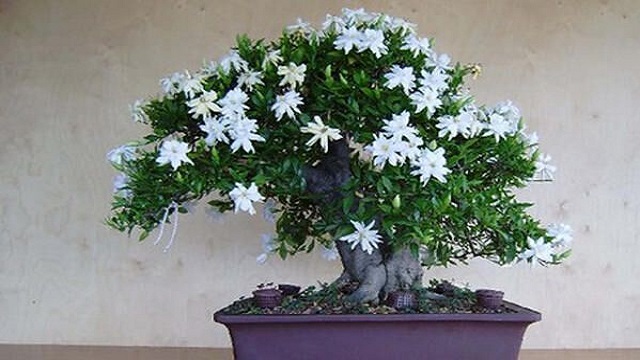
1. Whether they can be placed there
They can be placed in the bedroom. Many people think they compete with people for oxygen at night. In fact, the amount of oxygen they absorb at night is negligible, and the carbon dioxide they release is also small, so it can be ignored. They are not toxic themselves and can also absorb toxic substances. Furthermore, they can also be enjoyed as ornamentals. These factors all determine that they can be placed indoors.
2. Whether they are suitable
Overall, although they can be placed there, they are not particularly suitable. First, they give off a fragrance. Although it smells fairly fresh at first, with long-term accumulation, especially in an environment with poor ventilation or no ventilation, some people who are sensitive to fragrance will have uncomfortable reactions. Moreover, indoor light is sometimes also not good for the plant's own growth.
3. Under what circumstances they are not suitable
Based on the above points, in some circumstances it is best not to place them in the bedroom:
(1) At night: they not only absorb oxygen, but their fragrance sometimes affects rest. So the best approach is to place them in the bedroom during the day and move them to the living room or balcony at night.
(2) Poor ventilation: as we said above, under conditions of poor ventilation, the fragrance will gradually accumulate and make people uncomfortable. So if the bedroom has poor ventilation, it is better not to place them there.
(3) Poor light: this point is about the plant itself. It is not good for its growth.