Zero-cost planting tricks that make anything thrive
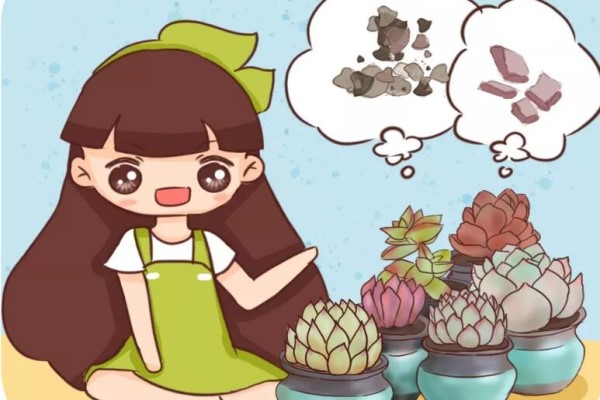
Put these things at the bottom of the pot, and no root rot for 10 years
Huahua has noticed that now 8 out of 10 flowers rot from watering. Sometimes it's not enough to just water less - rain and muggy weather also easily cause root rot. To prevent it, just put a little something at the bottom of the flower pot:
1. Ceramsite at the bottom of the pot works better than a top dressing
Many flower lovers are used to putting ceramsite on the surface, thinking it retains moisture, but when it gets hot it's both stuffy and damp. It's better to put it at the bottom of the pot - breathable and drains water, which is what lowers the risk of root rot and yellow leaves!
2. Stones and tile pieces by the roadside are very useful
Everyone is familiar with putting stones at the bottom, but do you know which kind is best? Pick light ones, best if they have holes, or broken tile pieces. These things are highly breathable, and putting them at the bottom of the pot gets twice the result with half the effort!
3. Loofah sponge and corn husks at the bottom of the pot bring a big harvest
Loofah sponge and corn husks are breathable organic fibers and don't rot easily. Dried and placed at the bottom of the pot, they last at least a year or half a year, not only breathable and draining but also providing some phosphorus fertilizer elements - two benefits in one.
No need to buy flower fertilizer - just crack an egg and drink some milk
The more flowers you grow, the more flower fertilizer becomes a big expense. In the past there was no flower fertilizer for sale, so people relied entirely on DIY. Huahua has gathered the old flower growers' fertilizer tricks, and now will teach them to you!
1. Crack an egg into the pot, and it's hard for flowers not to grow strong
Eggshells usually placed in flower pots are hard to absorb, so it's better to use raw eggs for better effect: first crack the egg into a deep plate, use a plastic bottle to suck up the yolk, and separate the egg white from the yolk.
Add 1 liter of clean water to each of the separated egg white and yolk, stir evenly, then let settle for 2 hours. Dig a small hole in the flower pot to be watered, and pour along the hole. Egg white water can water green-leaf plants, and egg yolk water can water flowering plants.
Egg white water is nitrogen fertilizer, egg yolk water is phosphorus fertilizer. Although raw eggs are highly nutritious, they are raw after all, so pouring along a small hole into the pot avoids attracting bugs. Besides chicken eggs, you can also use quail eggs. Crack quail eggs open and bury them in the flower pot, suitable for large flowers.
2. Tea water, a potassium fertilizer that makes flowers fat and strong
Tea water or flower tea water left overnight is very good potassium fertilizer water. After filtering out the tea leaves, it can be used to water flowers. Chinese roses and spider plants all love to drink it!
The filtered tea leaves are also useful. After drying, they are also very good potassium fertilizer and can be mixed into the potting soil or spread on the pot surface.
3. Milk and soy milk, flowers drink them for good nutrition
Put expired milk, soy milk, or soybean milk from home into a plastic bottle and place it on the balcony. Open the lid every 2-3 days to let air out. After 2 weeks, when there is not much gas left, it can be used as fertilizer water to water flowers. For small pots, dilute with water at 1:20, and watering twice a month will make them grow plump!
Wipe the leaves, and the yellow leaves all disappear
The thing most feared in growing flowers is yellow leaves. Don't worry - remember these 3 old methods, simple and fast-acting. Yellow leaves instantly turn green, and the plant still blooms and grows strong!
1. Wipe leaves with banana peel, the more you wipe the greener they get
After eating a banana, casually wipe the flower leaves with the banana peel, then spray a little water with a small spray bottle. Once a week, and the leaves grow very fast. Clivia, pothos, and other green-leaf flowers all love it immensely~
After wiping leaves, put the banana peel in the yard or on the balcony to dry in the sun. In 3-5 days it air-dries well. Cut it up and add it to the soil. This solid potassium fertilizer can make flower leaves plump and large.
2. Spray some rice vinegar, leaves turn green and flowers bloom bigger
Mix edible rice vinegar from the kitchen with clean water at a ratio of 1:500. Wipe flower leaves and spray flower buds with it to make leaves greener and flower colors more vivid and fragrant. You can also pour the vinegar water into the pot, once a month is enough.
3. Wipe with beer, and green leaves sprout abundantly
Beer contains a lot of vitamin B, which can promote the growth of flower leaves. Mix flat beer with 10 times the amount of clean water, and it can be used to wipe flower leaves. After wiping, they immediately become glossy and bright.
Besides wiping leaves, mix beer with 50 times the amount of clean water and it can be poured directly on flowers, improving the resistance of the root system. It's best to also dig a hole before pouring, so it's less likely to attract bugs~
Prevent pests when growing flowers, never be lazy!
After growing flowers for a long time, it's hard to avoid pests and diseases. Besides maintaining good hygiene normally, always keep some pest-killing tricks on hand - "cure the disease as soon as the medicine arrives," tried and tested~
1. Apply sesame oil around the pot rim, and bugs take a detour
Sesame oil is what we all have at home as fragrant oil. Apply a thin ring of sesame oil around the flower pot rim, and ants, spiders, and flies won't dare come near after smelling it.
2. Spray floral water, kills pests and sterilizes
Floral water not only repels mosquitoes, the alcohol in it can also kill bacteria and insect eggs. Floral water: water = 1:20, spray once a week. It not only repels and kills pests but also prevents various fungal yellow-leaf diseases. Spray it quickly~
3. Garlic repels pests, natural and non-irritating
If there are always small bugs, ants, or snails in the flower pot, quickly break off a few garlic cloves, chop them up and scatter them in the flower pot, or bury them in the potting soil. Only 2-3 garlic cloves per pot is enough, and all the small bugs are fumigated to death~
No need to buy soil for growing flowers - make your own nutrient soil for free
As you grow more and more flowers, flower soil becomes a big expense. A bag of soil costs at least several tens of yuan, and can only plant 1 or 2 flowers. It's better to make nutrient soil yourself!
1. Fallen leaf and pine needle soil
Put fallen leaves and pine needle soil into a large bucket, add boiling water to make the soil slightly moist, cover it and compost for 20 days. Once it has rotted into soil crumbs, expose it to the sun for a few days to sterilize. You can also add carbendazim to disinfect. A purely natural acidic nutrient soil is ready.
2. Compost leftover flowers into soil, fragrant
Petals rot easily, so use pruned ones to make nutrient soil. Lay a layer of soil at the bottom of a foam box, put a layer of flowers, then another layer of soil, another layer of flowers... finally cover it with something. It composts in half a month. Add a few grains of sterilizing medicine, sun-dry it, and it's ready to use.