Snake Plant Purifies the Air at Night, and It's Fine Without Watering for a Month or Two in the Bedroom
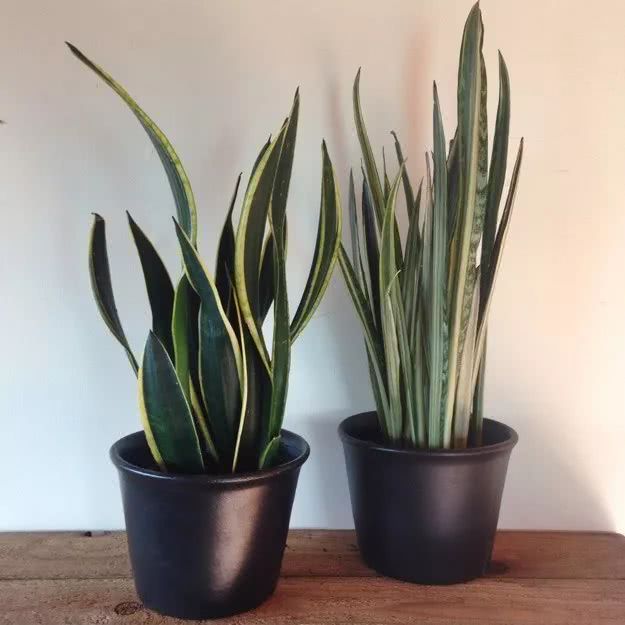
If you want to grow a plant in the bedroom that can release oxygen at night and absorb carbon dioxide, then the snake plant is a good choice. It is a very common air-purifying greenery that can clean up most of the harmful gases indoors, such as the common formaldehyde, xylene and trichloroethylene, and it does not need frequent care. Even without watering for a month or two, it can still stay in good shape.
1. Light Intensity
The snake plant has excellent adaptability to its environment and needs very little light. It grows well in a spot with bright light or in partial shade, as long as you avoid keeping it in a long-term dark place.
You can also grow the snake plant in a sunny spot. When the temperature is high in summer, avoid excessive exposure to the sun; in the other seasons, you can give it plenty of direct sunlight.
Note: A snake plant kept indoors for a long time cannot be put out in the sun all at once; increase the light exposure time gradually.
If you want the snake plant to do a better job of purifying the air, it is best to place it somewhere that gets appropriate sunlight every day.
2. Choosing the Pot and Soil
The pot for growing a snake plant must be a container with fairly large drainage holes, and it is best to choose a breathable, loose terra cotta pot, clay pot or plastic pot with larger drainage holes.
The soil for growing a snake plant must be loose, well-draining sandy soil. You can mix peat moss with perlite at a 2:1 ratio, or add some river sand, coconut coir, well-rotted wood shavings or other granular soil to the soil.
3. The Key to Watering
The worst thing for a snake plant is an owner with itchy hands, because they will water the plant whenever they have a spare moment. If you water a snake plant like that, it will rot within a week.
When watering a snake plant, also avoid getting water on the leaf core or the leaves, otherwise water pooling in the leaf core can easily cause the core and leaves to rot.
When watering a snake plant, you must wait until the soil is completely dry. If it is kept in a spot with good ventilation and plenty of light, you can water again once the soil 3~5 cm below the surface is dry.
4. Fertilizing Tips
When caring for a snake plant, be sure to avoid frequent fertilizing. It needs very little fertilizer; generally, only in spring and summer, give it a little fertilizer regularly, a dilute organic liquid fertilizer once every 2~3 months is enough.
After the weather turns cool in autumn, be sure to start stopping fertilization, and fertilization must be prohibited in winter.
5. Watch the Temperature
The things a snake plant dislikes most are overly frequent watering and temperatures that are too low. The ideal care temperature is above 15°C, and the minimum care temperature should stay above 7°C, otherwise it is prone to cold damage.
After the weather turns cold in late autumn, the snake plant needs to be moved indoors, preferably placed by a windowsill where it gets appropriate scattered light every day.
There are many varieties of snake plants with different ornamental qualities. You can choose the ones that suit you, pair them with a nice ceramic pot, spread some small clay pebbles on the soil surface, and they will be perfect for placing in the bedroom.