Bitter melon sells well in summer: with good growing techniques, you naturally get a longer harvest period
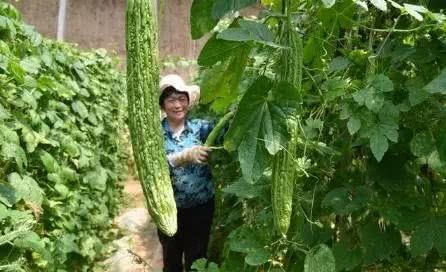
Bitter melon gets its name from its bitter taste. It helps clear heat and reduce internal heat, lower blood lipids, and manage blood sugar, and it is a common summer vegetable for cooling off and relieving heat. Bitter melon likes warmth; after transplanting, the suitable growing temperature is above 15°C. It tolerates heavy feeding but not poor, barren soil, and it needs large amounts of fertilizer in the later growth stage, so there are several key growing techniques for planting bitter melon:
First, choosing good seed is key, and controlling humidity and temperature well is the foundation of breeding.
Choosing seeds with high yield, good quality and strong disease resistance is the key to a bumper harvest. For example, varieties such as Big White Bitter Melon and Green Gem are both good choices. When the sunlight temperature steadily stays above 10°C, you can sow and raise seedlings. When the temperature steadily stays above 15°C, you can transplant, or you can do it appropriately earlier to extend the later vegetative growth period as much as possible, so the plants set fruit early and reach the market early, which can increase early-stage yield by about 21%.
Replace with a high-definition large image
Second, prune promptly.
Bitter melon is a vine plant with especially many branches, and some side branches even bear fruit and consume nutrients, which affects ventilation and light. So prune promptly: remove side branches below one meter; for those above one meter, choose 2--3 branch tips and use string to guide them onto bamboo poles. After the mid-growth stage, you only need to clean up the lower yellow leaves, old leaves, diseased leaves, fruit and overly dense side branches to ensure good ventilation and light, and no further pruning is needed.
Third, fertilizer and water management.
In the early fruit-setting stage, bitter melon plants are small and grow slowly, so they need little fertilizer. You only need to apply enough base fertilizer early on, with no need for topdressing. You can cultivate and loosen the soil to conserve moisture. However, the nutritional period of bitter melon from fruit setting lasts as long as three months, requiring large amounts of fertilizer, so the supply of fertilizer and water must be ensured, especially nitrogen and potassium fertilizer. For every 1000 kg of bitter melon, on average it needs to absorb 5.277 kg of nitrogen, 1.761 kg of phosphorus and 6.666 kg of potassium from the soil.
Water once every 7 to 10 days, and at the same time apply 7 kg each of potassium sulfate and urea per mu by flushing. During the full fruiting stage, apply phosphorus and potassium fertilizer 3-4 times, using 15 kg of superphosphate and 20-25 kg of potassium sulfate each time. Spray potassium dihydrogen phosphate, Yemianbao, etc. on the leaves to protect the leaf surface, promote photosynthesis and delay senescence.
Fourth, prevention and control of pests and diseases. Bitter melon has relatively strong disease resistance and few pests and diseases.
Common diseases include (1) Powdery mildew: it occurs during the flowering and fruiting stage, covering the leaf surface with a white powdery substance, which then turns yellow, causing premature aging of the plant. Treatment: after onset, spray the leaf surface once every 7-10 days with a 1500-fold aqueous solution of myclobutanil, or use a 600-fold aqueous sulfur suspension for control, spraying continuously 2-3 times. (2) Anthracnose: it is a fungal disease that occurs from the seedling stage to the late growth stage and can cause lesions on the leaf surface, plant stems and fruit. Spray 500-600-fold 150% carbendazim solution once every 7-8 days.
Replace with a high-definition large image
The main common pest is the melon fly. The melon fly larvae bore into young fruit and cause damage, making the young fruit deformed and changing color early, and finally rotting and deteriorating and giving off a foul odor. You can spray young fruit 2-3 times every 4--5 days with a 1000-fold aqueous solution of fipronil, or a 2500-fold aqueous solution of Green Kung Fu, and promptly remove and destroy diseased fruit.
Fourth, harvest promptly. Generally about 12 days after flowering, the fruit has basically set its shape, stops growing, and is light green, so it can be harvested. When harvesting, be careful not to tear the vines.
This is Science for Agriculture. You are welcome to add a follow and learn together.