How do you tell if a plant has root rot? Four simple and practical methods to teach you
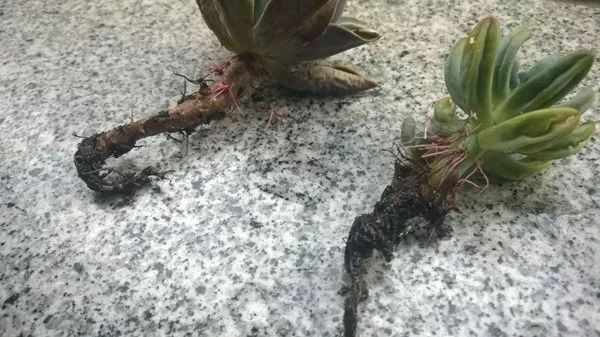
In the process of growing flowers, root rot can be said to be a headache for many flower lovers. Not only is it troublesome to deal with, but the subsequent repotting recovery and handling also take a lot of energy, and a single careless move can cause the plant to die, which is truly a pity.
Let us set aside the causes and treatment of root rot for now. If you can spot it in the early stages of root rot and take action and remedy it within a short time, it is very beneficial for the plant's successful recovery.
So how exactly should you judge whether a plant has already entered a state of root rot? Just remember these four points.
1
Observe the potting soil
To judge whether a plant has already suffered root rot, you can choose to water it once during its growing season, and it is best to water it thoroughly. After two days, observe the condition of the potting soil surface again.
Because a normal plant root system has a sound ability to absorb water, if the soil surface dries and turns white, it shows that the plant's roots are working normally and the plant has not suffered root rot.
But if after two days you observe that the soil surface is still in a moist state, it shows that the plant's roots are not functioning normally, and the roots may already be rotting or showing signs of rot.
2
Compare leaf color
You can place two pots of the same type of flower together for comparison, observe the condition of their leaves, and distinguish and compare the leaf growth and leaf color of the two.
If the plant's leaves are wilting, the leaf color is dull and lusterless, or even the leaf surface is clearly grayish-white, or too many leaves on the lower part of the plant have fallen off, it shows that the plant's roots may already be rotting and have stopped working normally.
3
Pay attention to the leaf tips
By carefully observing the leaf tips of the plant, you can judge whether the plant has root rot based on the color or condition of its leaf tips.
If the plant's leaf tips turn yellow or white, the top of the leaves is scorched and withered, or small brown spots appear on the leaf tips, it shows that the plant may have root rot.
This is because after root rot occurs, the roots directly cannot breathe normally, and nutrients cannot successfully reach the leaf tips, which causes the leaf tips to turn yellow and scorched.
4
Rely on touch
You can gently touch the plant's leaves to specifically judge whether it has root rot. This method is especially effective for foliage plants.
Generally, the leaves of a healthy plant feel quite good to the touch; touching the leaves gives a cool, moist and comfortable feeling.
But if the plant has root rot, because of the lack of nutrients, its leaf surface will lose its original cool feeling and feel rather shriveled and dry to the touch.
If you find that a plant shows the above conditions, be sure to take remedial measures in time. Take the plant out of the pot and observe how serious its root rot is. If the situation is mild, you can place broken bricks, tiles, vermiculite and other items at the bottom of the pot, and then place the flower pot in a well-ventilated place to care for it for a period of time.
If the plant's root rot is relatively serious, then you need to immediately use scissors to cut off the roots that have already turned black, and apply carbendazim to the wounds. Then dump out the potting soil and replace it with new breathable soil, place the flower pot in a cool place, and let it recover for one to two weeks until it recovers.
If you also like growing flowers, then follow us!