The strongest formaldehyde absorber isn't the pothos, but the one often overlooked right around you
When renovating your home, if you want to remove formaldehyde, besides hiring a professional formaldehyde removal team, your family will also tell you to buy a pot of pothos. However, a recent experimental report released by a certain landscaping and gardening bureau pointed out the top five formaldehyde-absorbing plants, and the pothos isn't on the list! Have you been growing a pothos at home all these years for nothing? Let's take a look at the list of formaldehyde-absorbing plants!
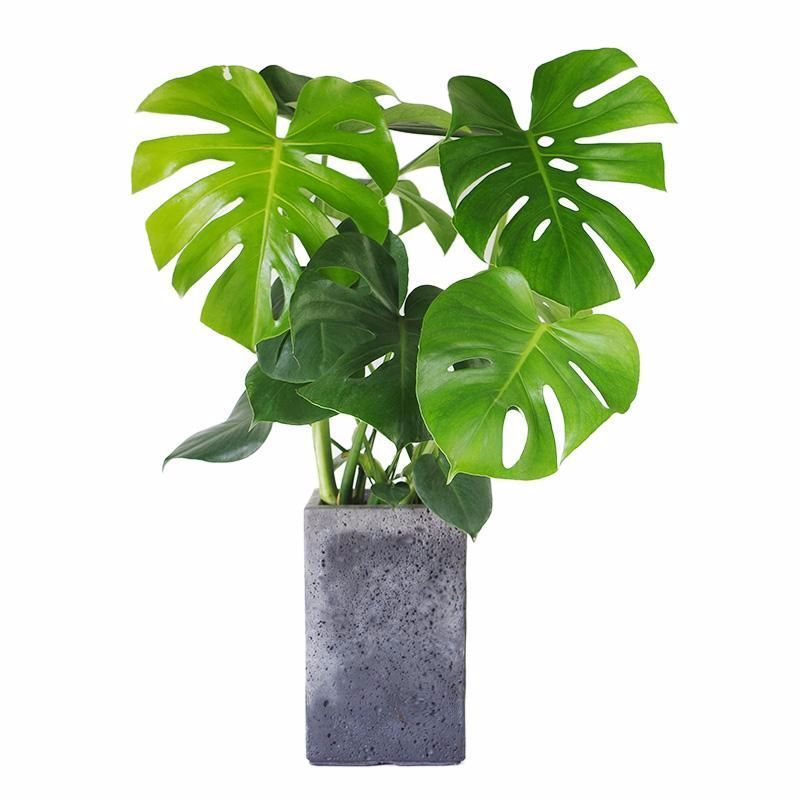
First place: Monstera deliciosa (Swiss cheese plant)
Monstera deliciosa (Swiss cheese plant) has peculiar leaf shapes and an extremely strong ability to absorb formaldehyde. From a professional standpoint, one Monstera deliciosa absorbs as much as 10g of coconut shell activated carbon, which is quite impressive! Not only that, Monstera deliciosa can also effectively absorb carbon dioxide, benzene and other volatile harmful gases
Second place: Schefflera octophylla (umbrella tree)
Yes, it's the common, sprawling plant you see by the roadside. It can lower formaldehyde concentration by about 9 milligrams per hour, and can convert nicotine and other harmful substances in the air into harmless substances. It is usually planted along roadsides, and because its powerful functions have gradually been discovered, it has been planted in flower pots and brought into homes.
Third place: Western azalea (Rhododendron
This variety is a hybrid of Chinese azalea and European azalea, and can absorb formaldehyde, sulfur dioxide and other harmful substances from the air.
Fourth place: Cyclamen
Cyclamen is a perennial herbaceous plant of the Primulaceae family. Its formaldehyde absorption effect is also quite good, and it can effectively purify the indoor environment. Just look at its thick leaves and you'll know!
Fifth place: Alocasia (taro)
This is the common Alocasia macrorrhizos (giant taro), also known as the "spathe flower." Its leaves are plump and round, and it can not only absorb formaldehyde, but also absorb dust and regulate humidity.
You've remembered all five of these plants, right! It's not that growing pothos all these years was a waste, it's just a reminder that pairing multiple plants together can raise the air-purifying ability of plants even higher. Of course, there must be a limit, and you can't have too many!